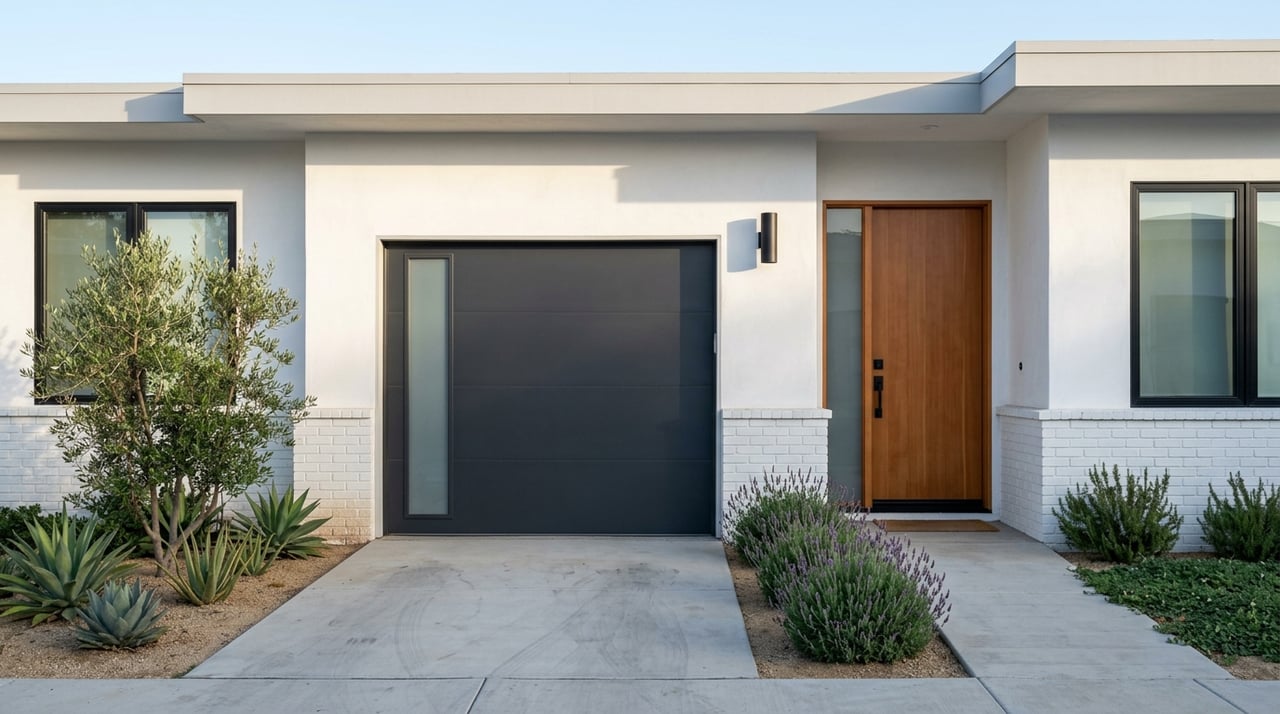
Condo, Townhome Or House In Long Beach?
Wondering whether a condo, townhome, or house makes the most sense in Long Beach? You are not alone. This city offers a wide mix of housing, and the right choice often comes down to how you want to live, what you want to maintain, and how much flexibility you need over time. If you are weighing budget, parking, privacy, and upkeep, this guide will help you compare the tradeoffs clearly. Let’s dive in.
Long Beach is not a one-size-fits-all market. According to SCAG profile data using 2018 figures, the city’s housing mix includes 42.0% single-family detached homes, 5.7% single-family attached homes, 12.2% two-to-four-unit housing, and 38.8% housing with five or more units.
That mix means you will see a lot of attached housing options alongside detached homes. It also means your decision is not just about style. In Long Beach, ownership structure, HOA rules, parking setup, and building condition can change the day-to-day experience of owning a home.
Another key factor is age. SCAG reports that 70% of Long Beach housing stock was built before 1970. For buyers, that makes due diligence especially important, particularly when you are comparing older condos and townhomes with shared systems and shared repair responsibilities.
In California, these labels do not always tell the full story. The California Department of Real Estate explains that a condominium project combines separate interests with common area, while a standard subdivision gives the owner exclusive ownership of a lot or parcel with no common or mutual ownership rights.
That matters because a home that looks like a detached house can still be a condo in legal ownership terms. A townhome can also describe the architectural style more than the ownership structure. In other words, you should not assume what you own based on how the property looks from the street.
If you buy in a common-interest development, HOA membership is automatic. California’s Department of Real Estate and Department of Justice note that HOAs collect dues, enforce rules, and are commonly governed by a board.
Those rules can affect more than common areas. CC&Rs may regulate things like exterior changes, fencing, and other visible features. Before you choose a property, it is smart to review the deed, CC&Rs, and HOA documents so you understand exactly what is privately owned and what is shared.
A condo often works well if you want a lower entry point and less exterior maintenance. In current Long Beach market data, Redfin’s city guide places condo and co-op pricing around $500,000, well below the city’s single-family home pricing.
That lower price point can make condos appealing if location matters most to you. Long Beach is also considered fairly walkable, with a Walk Score of 73 in Redfin’s city guide, so some buyers prioritize convenience and access over yard space.
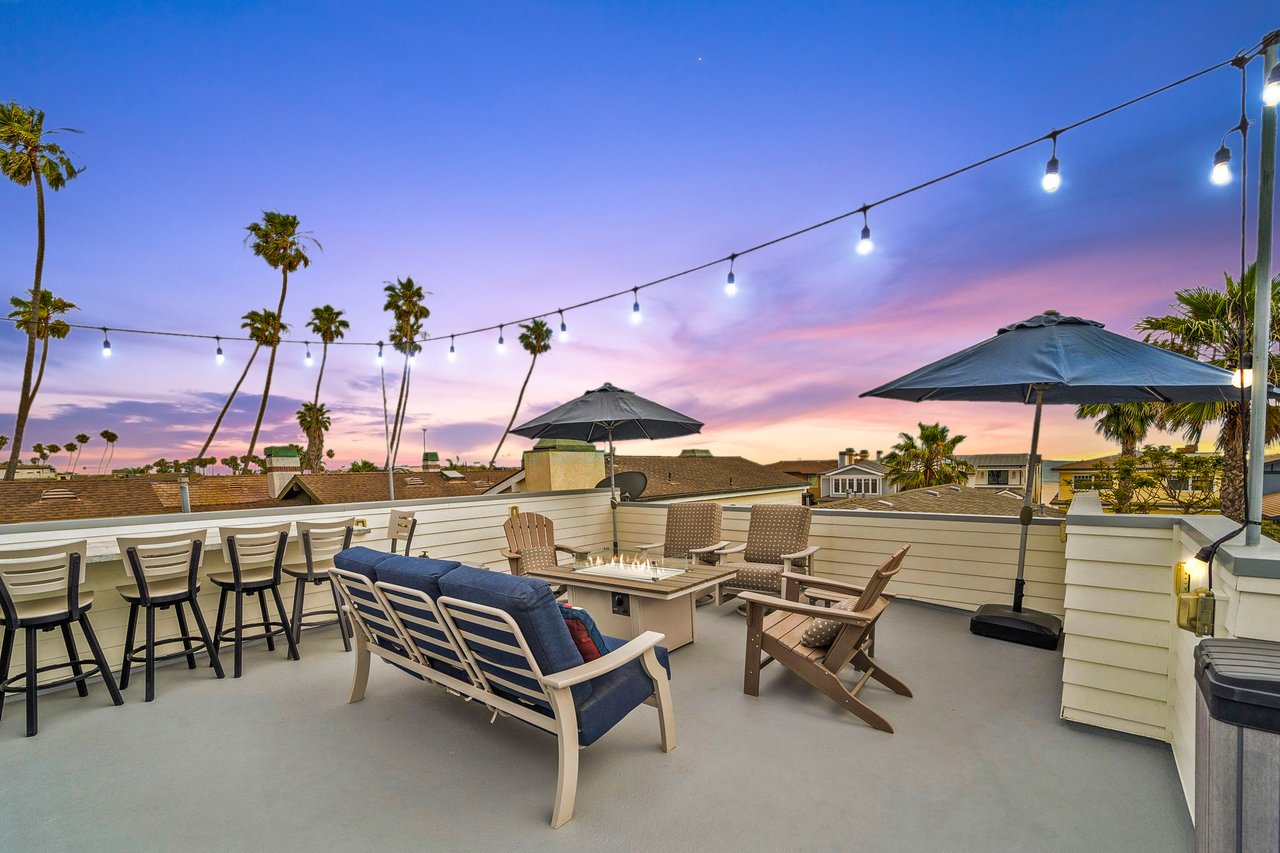
Many condos offer features that support low-maintenance living. Public Long Beach listing examples show perks like assigned parking, elevator access, gated garages, private patios, rooftop amenities, and HOA dues that may include items like water and trash.
For example, current public listing snapshots include condos with HOA dues around $400 to $482 per month, along with amenities and assigned parking. What is included can vary a lot from one building to another, so it is important to look past the monthly number and study the details.
The tradeoff is shared cost and shared control. HOA budgets can include fixed costs, operating costs, reserves, administration, and contingencies. If regular dues are not enough, the HOA can levy special assessments.
In a city with a large older housing stock, reserve strength and building condition matter. The Department of Real Estate warns that some conversion properties may have higher maintenance and repair needs than buyers expect, especially if building systems are older or reserves are underfunded.
A townhome often sits in the middle. It can offer a more house-like layout and feel while still keeping some maintenance shared through an HOA.
In current Long Beach market data, Redfin’s city guide places townhouses around $850,000. That usually lands between condo pricing and single-family home pricing, which is why many buyers see townhomes as a practical compromise.
Townhomes can narrow the gap between condo living and detached living. Public listing examples in Long Beach show features like direct access to a detached two-car garage, one shared wall, and private outdoor spaces, with HOA dues in the low $300s.
That setup can appeal to buyers who want more privacy and more functional space without taking on all the maintenance that can come with a detached house. If you want a little breathing room but still want some shared upkeep, a townhome may be the sweet spot.
The key is to confirm whether the property is truly fee-simple ownership, a condo ownership structure, or part of a planned development. That affects what you own, what the HOA maintains, and what approval you may need for future changes.
You will also want to ask how parking rights work, whether patios are deeded or exclusive-use common area, and what the exterior modification rules are. Those details shape your real ownership experience more than the word “townhome” alone.
If you want maximum control, a single-family house usually gives you the most. In current Long Beach market data, Redfin’s city guide places single-family homes around $985,000, making this the highest of the three major categories.
For many buyers, that higher price brings more privacy, more outdoor space, and more long-term flexibility. A detached home example in Long Beach shows the kind of benefits buyers often want: a detached two-car garage, backyard space, a covered patio, grassy area, and mature trees.
A detached house usually gives you more room to personalize how you live. You may have more options for outdoor use, storage, pets, entertaining, and future projects.
Long-term flexibility is another big plus. The Long Beach Permit Center handles projects such as ADUs, residential patios, and additions, so detached homes may better support future changes, subject to city permitting.
More control usually means more responsibility. With a detached home, you are generally the one maintaining and paying for repairs on the property.
It is also worth noting that not every house is free from HOA oversight. Some detached homes are still part of planned developments with HOA rules, so you should verify the ownership and governance structure instead of assuming a house has no restrictions.
Choosing between a condo, townhome, or house is really about matching the property to your priorities. In Long Beach, a few tradeoffs tend to matter more than others.
A house generally means more direct maintenance responsibility. A condo or townhome generally means more shared costs and more rules.
If you prefer to spend less time handling exterior upkeep, attached housing may feel easier. If you want full control over repair timing and decision-making, a house may be a better fit.
Condos often trade private yard space for convenience and amenities. You may still get a patio, balcony, or exclusive-use outdoor area, but there are often more rules around changes and use.
Townhomes can offer more privacy than a typical condo, especially if they have fewer shared walls or private outdoor areas. Detached homes usually provide the most private yard space and the most room for personalization.
Parking is a real quality-of-life issue in Long Beach. The city notes that residents in preferential parking areas need city-issued permits, and the Garage Resale Program applies in designated parking impacted areas.
This matters even more because SCAG reports that 50.8% of Long Beach households had two or more vehicles in 2018. If your household has multiple cars, assigned spaces, garage access, driveway parking, and street permit rules should be part of your decision from day one.
If you think your needs may change, future flexibility matters. Detached homes often provide the most freedom for additions and changes, while HOA-governed homes add another approval layer on top of city permits.
In Long Beach, the age of the housing stock makes this even more important. Older buildings may come with more repair risk, more shared infrastructure concerns, and more need for careful document review.
No option is universally better. Each one solves a different problem.
Before you choose a condo, townhome, or house in Long Beach, make sure you get answers to the questions that actually affect ownership.
These are the questions that help you move past marketing language and understand the real cost, risk, and flexibility of the property.
In Long Beach, the best choice usually comes down to how you balance affordability, maintenance, privacy, parking, and flexibility. Condos often maximize convenience and lower entry price. Townhomes often offer a balanced middle ground. Houses usually maximize control and private space.
Because Long Beach has meaningful attached-home inventory, older housing stock, and real parking pressure in some areas, your best move is to compare the ownership structure and long-term fit, not just the floor plan. When you get clear on how you want to live, the right property type tends to come into focus quickly.
If you want help weighing real options in Long Beach and pressure-testing which property type fits your goals, connect with Tyler Rogina for a customized plan.
Stay up to date on the latest real estate trends.

Discover the newest restaurants, cafés, retail shops, and neighborhood hotspots opening across Long Beach this summer and what these exciting additions mean for the ci… Read more

Living in Naples vs. Belmont Shore: A Long Beach Buyer's Guide | Tyler Rogina

real estate
Explore the differences in ownership, lifestyle, maintenance, and long-term value to find the Huntington Beach home that fits your goals.


Rooted in family values and driven by purpose, Rogina Group operates with a philosophy that success means more than numbers. It is about impact, relationships, and building a life you are proud of.
ROGINA GROUP
6460 Pacific Coast Hwy Ste 225 Long Beach, CA 90803 Tyler Rogina | CA DRE# 01925584