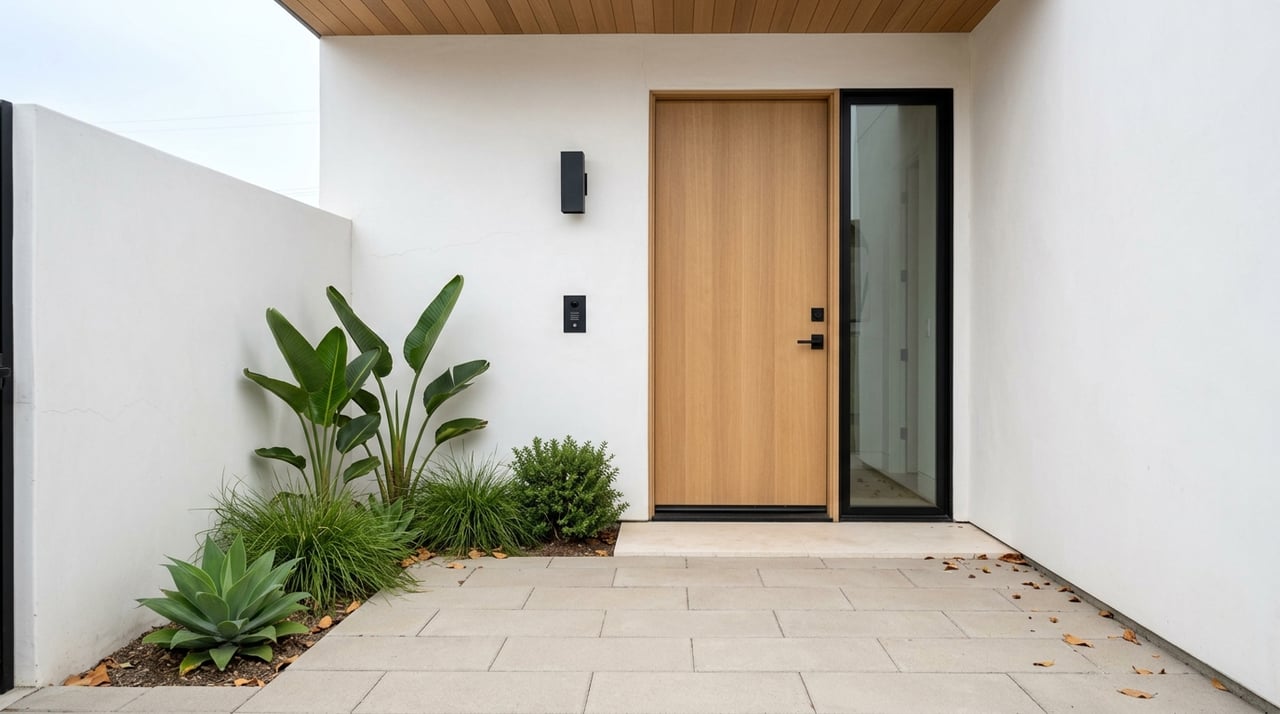
Lock And Leave Living In Newport Beach
If you love Newport Beach but do not love the idea of constant home upkeep, lock-and-leave living can be a smart fit. Many buyers want the coastal lifestyle, easy access to the harbor and village areas, and a home they can step away from without a long to-do list. The key is knowing what “low maintenance” really means before you buy. Let’s dive in.
In Newport Beach, lock-and-leave living usually points to condos, townhomes, and other attached homes in common interest developments. In these properties, you own your unit and also have an interest in or right to use shared areas, with HOA membership transferring automatically when you buy.
That structure is what makes lock-and-leave appealing. Exterior upkeep and shared-area maintenance are often handled by the homeowners association, which can reduce the day-to-day burden compared with a detached home. Still, the exact division of responsibilities depends on the project’s governing documents.
Newport Beach describes itself as a community of villages, including places like Balboa Peninsula, Lido Marina Village, Mariner’s Mile, Balboa Island, Corona del Mar, Newport Center and Fashion Island, Newport Coast, and the harbor islands. For buyers who want convenience, that village layout matters.
Many attached-home options are found in compact coastal or mixed-use areas where beaches, dining, shopping, and marina access are close by. That can make it easier to enjoy Newport Beach without taking on the larger footprint and maintenance demands that often come with a detached property.
The city’s housing planning also points toward defined focus areas rather than broad low-density neighborhoods. Recent housing site inventory has included places such as West Newport Mesa, Mariner’s Mile, Lido Marina Village, Cannery Village, McFadden Square, Balboa Village, Dover Drive and Westcliff Drive, Newport Center, and the John Wayne Airport Area.
For you as a buyer, that means attached homes often show up in the very areas where convenience, walkability, and access are part of the appeal. If your goal is to spend more time enjoying Newport Beach and less time managing a property, these are often the pockets worth watching.
Attached homes remain an important part of the Newport Beach market. Current market pages show 91 condos for sale with a median listing price of $2.05 million and 15 townhouses for sale with a median listing price of $2.29 million.
By comparison, the broader Newport Beach market shows a median sale price of $3.4 million over the last three months, while Zillow lists an average home value of $3.69 million as of May 31, 2026. These figures are not perfectly apples to apples because some are listing prices and others are sale or value estimates, but directionally they tell a clear story.
In many cases, condos and townhomes can offer a lower entry point than detached homes in Newport Beach. That said, this is still a premium coastal market, so “lower maintenance” does not necessarily mean low cost.
A common mistake is treating all condos or townhomes as interchangeable. They are not. Newport Beach listings show that amenities can vary widely from one building or community to the next.
Features you may find include:
These features can support a true lock-and-leave lifestyle, but only if they are actually part of the specific property you are considering. The right question is never “What do Newport Beach condos usually have?” It is “What does this building offer, and how is it managed?”
If you are buying an attached home, the HOA paperwork is one of the most important parts of your diligence. California guidance makes clear that common interest developments come with HOA rules, CC&Rs, bylaws, and operating requirements that shape what ownership looks like in practice.
Before you treat a property as low maintenance, review the association’s:
This is where you learn how the community handles maintenance, what restrictions apply, and whether the building’s day-to-day operations match your plans. If you travel often, own a second home, or want flexibility while you are away, these details matter.
A polished lobby or attractive exterior does not tell you whether an HOA is financially prepared. Reserve planning is what helps you understand the long-term picture.
California reserve disclosures and reserve studies are designed to estimate the timing and cost of repairing or replacing major common-area components such as roofs, exterior paint, and pavement. Buyers can use these materials to judge the association’s financial strength and whether projected reserve balances appear sufficient over time.
That matters because a home only feels easy to own when the underlying systems are stable. In practice, one of the best lock-and-leave setups is a community with clear maintenance responsibility, manageable dues, and reserves that support the work ahead.
Another layer many buyers overlook is insurance. In California, standard homeowners, renters, and condo policies generally do not cover earthquake damage.
For condo owners, that can mean you may need separate earthquake coverage for belongings, loss of use, and possibly certain association assessments tied to earthquake-related repairs or deductibles. In a coastal market like Newport Beach, some buyers assume the HOA master policy covers everything. It usually does not.
That is why insurance should be part of your buying strategy, not an afterthought after closing. You want clarity on what the HOA insures, what you are responsible for, and how that fits your risk tolerance.
If you think you may rent the property while you are away, do not assume that flexibility comes with the home type. In Newport Beach, short-term lodging is defined as a rental of 30 consecutive days or less, and the city requires permits and a business license in certain zones.
The city also directs HOA owners to review their CC&Rs before advertising or applying. So if rental use is part of your plan, you need answers at both the city level and the building level.
This is especially important for second-home buyers and portfolio-minded buyers. A property may look like a perfect lock-and-leave choice until the governing documents or local rules say otherwise.
In Newport Beach, parking is not a small detail. It is one of the biggest practical issues to investigate before you buy.
The city’s zoning code requires multi-unit dwellings with four or more units to provide two covered spaces per unit plus 0.5 guest spaces per unit. Three-unit buildings require two covered spaces per unit plus guest parking.
Even with those standards, your real-world experience depends on how parking is assigned and how the building operates. Ask whether spaces are:
You should also ask how guest parking works, especially if the home will be used as a second residence. Newport Beach has paid public parking in many beach and village areas, resident parking permits in some situations, and the Balboa Peninsula Trolley as a seasonal option, but those are not substitutes for dependable private parking in your building.
Storage tends to get less attention during the early search, but it has a huge effect on whether a property actually works for your life. Some Newport Beach buildings offer extra storage, secure underground parking, elevators, or even private docks. Others do not.
Before you move forward, confirm whether storage is deeded, assigned, communal, or not included at all. If you are downsizing, traveling often, or using the property part time, that answer can shape the entire ownership experience.
The most useful comparison is not just the label on the property. It is the ownership structure and the lifestyle tradeoff.
Detached homes usually offer more privacy, outdoor space, and control over changes and improvements. Condos and townhomes often trade some of that autonomy for shared amenities and reduced exterior maintenance.
That trade can be a great fit if your priority is simplicity and convenience. It may be less appealing if you want a large yard, extensive storage, multiple private parking spaces, or minimal HOA oversight.
In Newport Beach, this lifestyle often makes the most sense for buyers who want a smaller footprint and fewer exterior chores without giving up coastal access. That can include frequent travelers, second-home owners, and downsizers.
It can also work well for buyers who value walkable or mixed-use surroundings and prefer shared amenities over maintaining a larger property. The best fit usually comes down to habits, not just budget.
A simple decision framework can help:
If those answers line up, lock-and-leave living can deliver exactly what many buyers want in Newport Beach: less friction, more flexibility, and easier access to the lifestyle that brought you here in the first place.
If you are weighing attached-home options in Newport Beach, the right move is usually less about finding the flashiest building and more about matching the property’s rules, finances, and setup to your actual day-to-day needs. If you want help narrowing the options and pressure-testing the details, connect with Tyler Rogina for a customized plan.
Stay up to date on the latest real estate trends.

Discover the newest restaurants, cafés, retail shops, and neighborhood hotspots opening across Long Beach this summer and what these exciting additions mean for the ci… Read more

Living in Naples vs. Belmont Shore: A Long Beach Buyer's Guide | Tyler Rogina

real estate
Explore the differences in ownership, lifestyle, maintenance, and long-term value to find the Huntington Beach home that fits your goals.


Rooted in family values and driven by purpose, Rogina Group operates with a philosophy that success means more than numbers. It is about impact, relationships, and building a life you are proud of.
ROGINA GROUP
6460 Pacific Coast Hwy Ste 225 Long Beach, CA 90803 Tyler Rogina | CA DRE# 01925584