The Belmont Shore Walking Loop Is Currently Passing Through Its Own Art Show
Every Saturday at 7:30 in the morning, a group gathers at the corner of Second and Laverne. Some walk, some skate, a few bring dogs, and together they move through a 2 to 3 mile loop that changes its point of interest each week. It's called Tour the Shore, and it has been running long enough that regulars know to expect a coffee discount waiting for them afterward at Chapter II Coffee. Every Wednesday, a different group meets in front of the Chase Bank on Second, leaves at 7:30 sharp, and covers roughly 3 miles in an hour, rotating through 12 routes that each pass water in some form, the ocean, the bay, the canals, Marine Stadium, the Colorado Lagoon.
Both of these groups have been walking the same 14 blocks for years. What's different this fall is what's currently mounted along the route they already take.
Second Street has four separate, unconnected events stacked onto the same stretch of pavement the walking groups treat as routine. Most of that stacking isn't obvious unless you know to look for it, because each event is organized and promoted on its own, with no single calendar tying them together. If you live here and walk here, you've likely already passed through the first one without registering it as an event at all.
Since August 20, Second Street has been hosting the 2nd Street Scene, a street-wide art exhibit where more than 40 artists installed pieces along the corridor for pedestrians to view and vote on by scanning a QR code posted next to each work. It runs through October 17, which means as of today there are about two weeks left before it comes down.
This isn't a pop-up that appeared once and vanished. Past cycles of the contest have pulled in more than 3,500 votes across the same 40-artist format, funded in part by a grant from the Arts Council for Long Beach. Past winning entries have included pieces built around recognizable neighborhood iconography, a beach sunset scene, a collaged shoreline piece called "Palmado" by Cindy Macias, portraits that lean on the classic car culture Second Street is known for. The point isn't which piece wins. The point is that this exhibit sits directly on the same ground the Saturday and Wednesday walking groups already cover, meaning anyone doing their regular loop this month is walking through a juried show without necessarily knowing it's juried.
The exhibit isn't the only art fixture on the street either. Belmont Shore has two Micro Galleries, small standalone structures designed by local artist David Clark, that rotate exhibits year round independent of any seasonal event. They're easy to miss because they're built to blend into the sidewalk rather than announce themselves, which is consistent with how a lot of the art here works. It's stitched into the commercial fabric rather than set apart from it.
On October 10, from 6 to 9 in the evening, Second Street hosts something with a different premise entirely. LBsoundbrowse turns storefronts, including empty ones, into sites for what's described as sound browsing, an intentionally slower, analog alternative to the usual scroll-and-shop pace of a retail street. It's a single evening, not a two-month run, and it treats vacancy as part of the material rather than something to route around. A storefront that's sitting empty on a Tuesday becomes, for three hours on a Saturday, part of the same experience as the shops that are open and staffed.
This matters for anyone trying to keep the fall calendar straight, because LBsoundbrowse and the 2nd Street Scene exhibit are running at the same time but aren't the same thing. One is a two-month, vote-driven art contest with physical pieces staying in place. The other is a three-hour sound event that treats the whole street, occupied or not, as a single site. If you only catch one mention of "art on Second Street" this fall, it's worth checking which one it's actually pointing to before you plan around it.
Later in the month, the street's calendar lists a Saturday morning return on October 24 for its street-painting tradition, in which artists work directly on large paper canvases laid across the sidewalk itself rather than displaying finished pieces. In its most recently confirmed run, this drew about 50 adult artists working under the direction of Justin Rudd's nonprofit, Community Action Team, turning several blocks into an open-air studio for the day. This is a different event from the 2nd Street Scene exhibit that's already up, and different again from LBsoundbrowse. Three art-adjacent programs, three different organizing logics, all landing within about two months of each other on the same six-block stretch.
By Halloween, none of the art programming is the point anymore. On October 31, from 4 to 6 in the afternoon, Second Street runs its storefront trick-or-treating tradition, where participating businesses post jack-o-lantern signs in their windows and hand out candy for as long as their closing times allow. There's a photo booth set up in front of the Chase Bank corner, the same corner where the Wednesday walking group gathers every week. The 2nd Street Scene exhibit will have come down two weeks earlier, so by Halloween the street has fully pivoted from juried art to community candy run, no overlap left between the two.
None of these four things, the two-month exhibit, the one-night sound walk, the street-painting Saturday, or the Halloween storefront tradition, were built to work together. They're run by different organizers on different timelines for different reasons. What ties them together is simpler and more useful to know if you actually live here: they all sit on top of a walking culture that predates every one of them. Tour the Shore and Walk on Wednesdays aren't seasonal. They run every week, all year, rain or shine, dogs welcome. The art is temporary. The walking isn't.
That means the choice most residents assume they're making, walk the loop or go see the art, isn't really a choice at all this month. The two are physically stacked. Anyone doing their regular Saturday morning loop between now and October 17 is already inside the exhibit whether they stop to look or not. The people organizing the art didn't build around the walking groups on purpose, and the walking groups didn't build around the art either. They just happen to share the same 14 blocks, and this fall, for a few weeks, that overlap is worth noticing instead of walking past.
If you're trying to get a real sense of how a neighborhood actually moves day to day, beyond what's listed as an attraction, this kind of layered, half-organized calendar tells you more than any single festival could. The Rogina Group spends a lot of time walking these same blocks and is glad to talk through what a street like this actually feels like on an ordinary week, not just a headline one.
Stay up to date on the latest real estate trends.
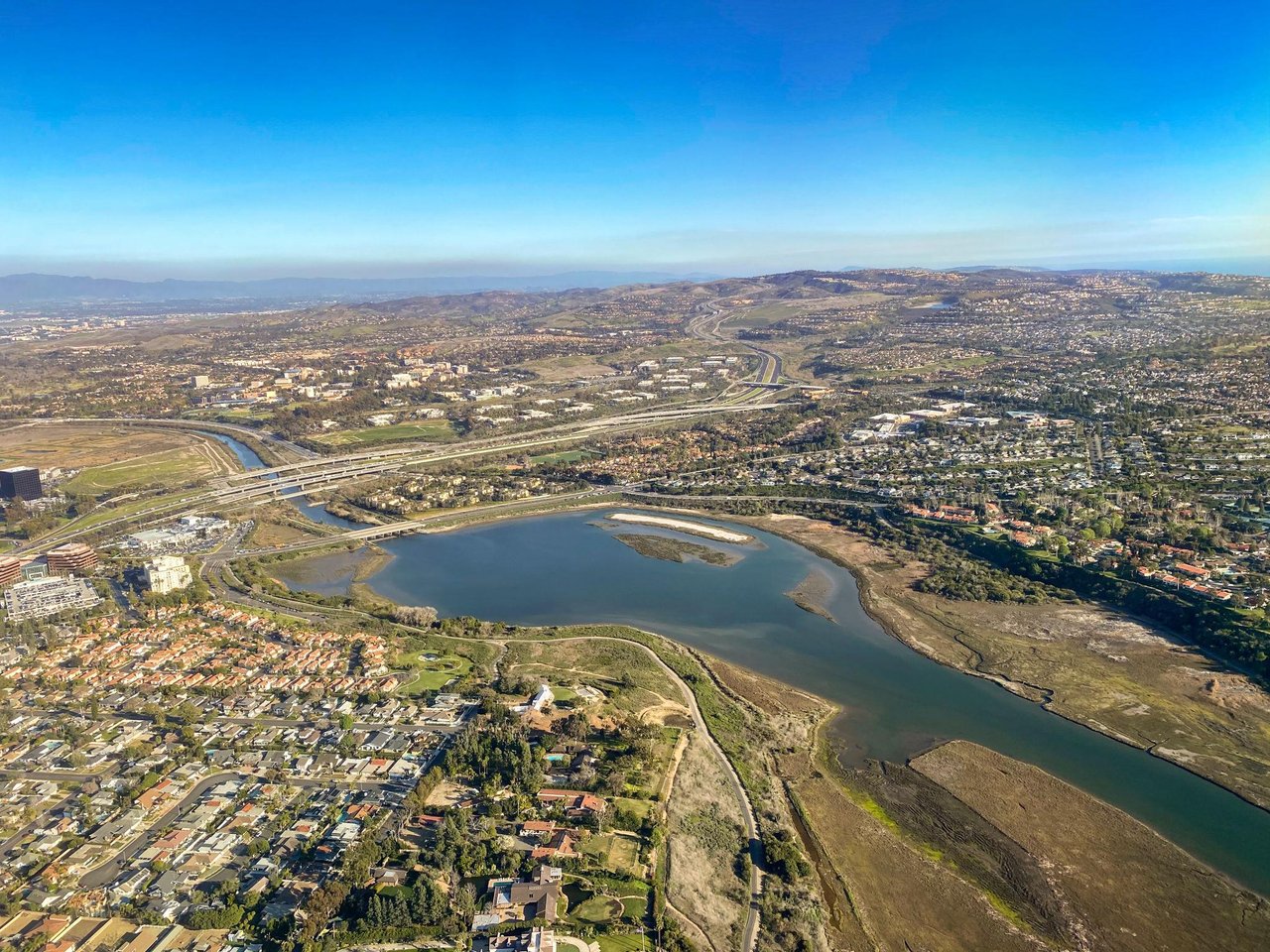
Discover how scenic trails, protected wetlands, and a quieter side of coastal living make the neighborhoods surrounding Upper Newport Bay some of Newport Beach's most … Read more
Celebrating a milestone of excellence, trusted relationships, and proven results in Long Beach and Orange County real estate.

Same building. Same square footage. So why can two Long Beach condos sell for hundreds of thousands of dollars apart?
Rooted in family values and driven by purpose, Rogina Group operates with a philosophy that success means more than numbers. It is about impact, relationships, and building a life you are proud of.
ROGINA GROUP
6460 Pacific Coast Hwy Ste 225 Long Beach, CA 90803 Tyler Rogina | CA DRE# 01925584