What It’s Like To Live In Long Beach
Thinking about a coastal city where you can bike to the beach, grab dinner on a lively main street, and still catch a light rail to Downtown LA? Long Beach blends that beach-town ease with real city energy. If you are weighing a move, you probably want a clear picture of daily life, housing costs, commute options, and which neighborhoods match your routine.
In this guide, you will get a practical, data-backed look at what it is like to live in Long Beach. You will learn how the city is laid out, what homes are common, how most people get around, and what to expect from the lifestyle and local economy. You will also see simple decision frameworks you can use as a buyer or seller. Let’s dive in.
Bottom line: Long Beach is a large, layered market with distinct micro-neighborhoods and a wide span of home types. Expect higher entry prices near the water and somewhat lower points inland or in smaller condos.
Long Beach covers a lot of ground, and each area has a different pace. For an overview of commonly referenced neighborhoods and corridors, local guides highlight Belmont Shore, Naples, Alamitos and Bluff Park, Retro Row along 4th Street, the East Village Arts District and downtown, and Bixby Knolls inland. You can get a feel for this mix from this neighborhood overview.
If you want the beach at your doorstep, look at parts of Belmont Shore and the Peninsula. Naples is known for its canal-front homes and private docks, plus a festive boat parade during the holidays. Streets here are active with walkers and cyclists, especially near Second Street, which is lined with cafes, restaurants, and shops.
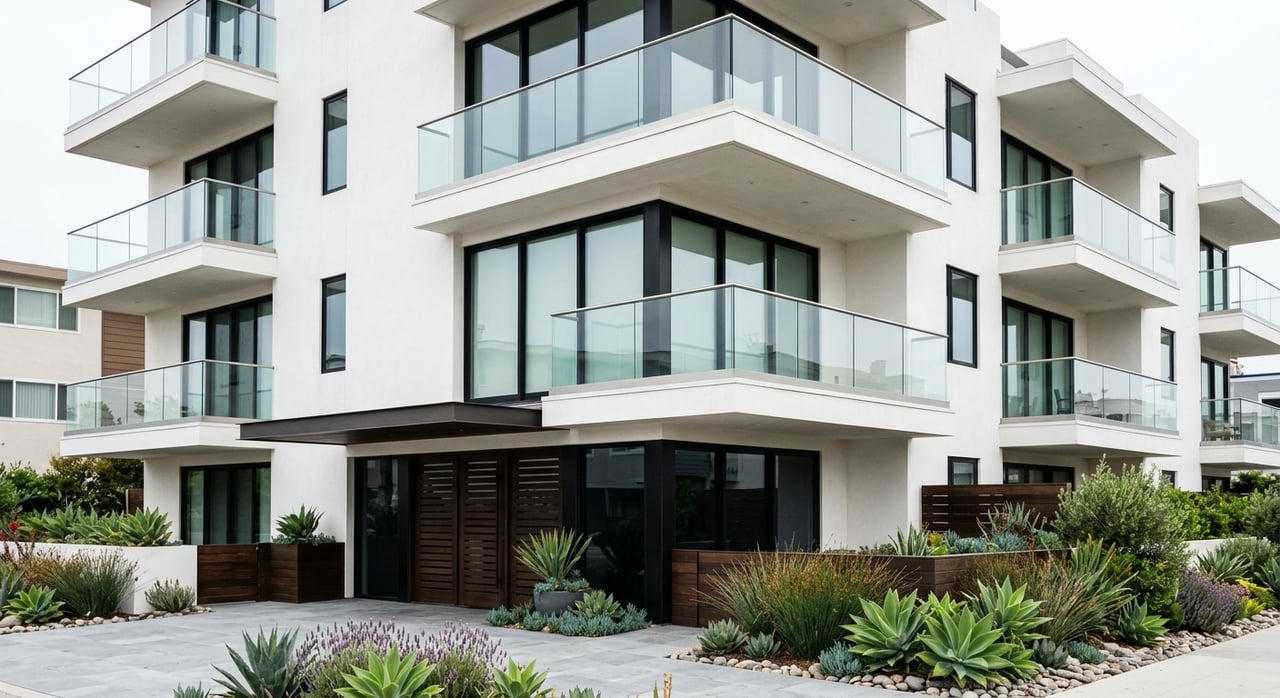
Downtown offers mid to high-rise condos, lofts, and walkable streets. The East Village Arts District brings galleries, murals, and a creative scene. This is a good fit if you like to be close to restaurants, the waterfront, and events, and you want the option to take light rail to central LA.
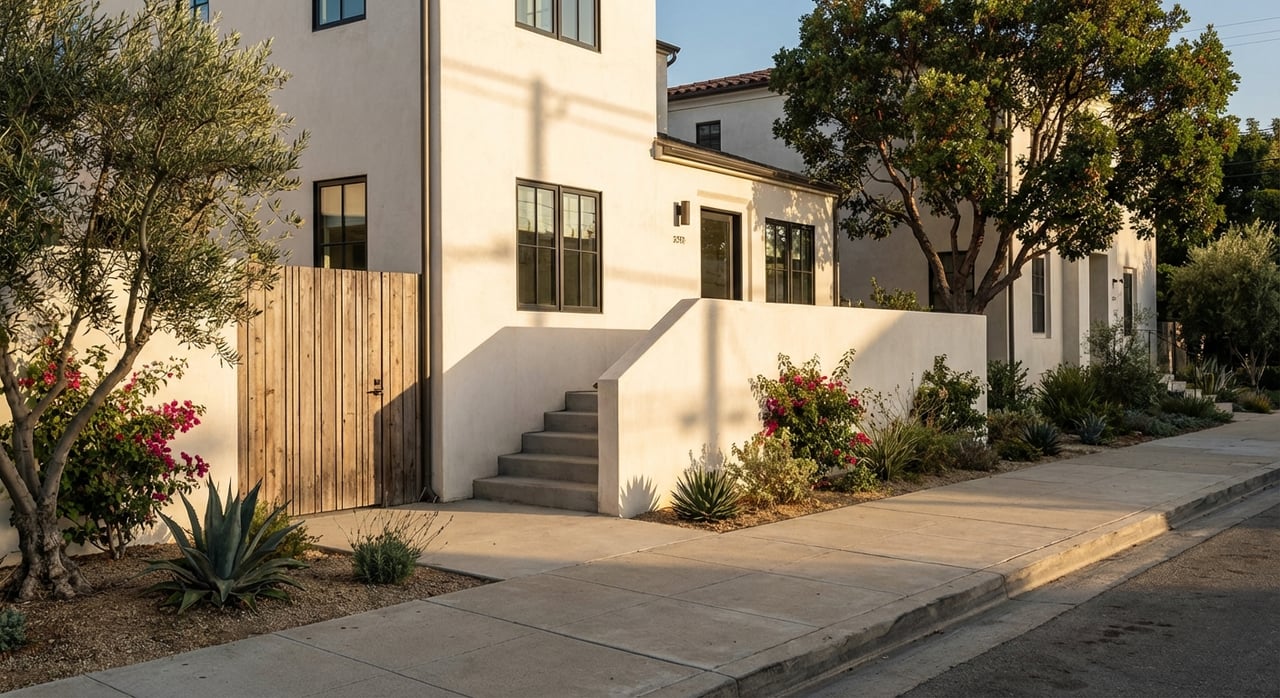
Areas like Bluff Park and Alamitos Beach feature older housing stock, from Craftsman bungalows to 1920s Spanish and Mediterranean styles. You will find a blend of single-family homes, duplexes, and small condo buildings, with tree-lined streets and steady coastal breezes.
Bixby Knolls sits north of the 405 with a small commercial core, local eateries, and residential streets that feel calmer than the waterfront. Many inland neighborhoods offer larger lots and easier parking compared to the beachside areas.
Across the city, you will see a true mix of architecture. Common types include Craftsman bungalows, 1920s to 1940s Spanish and Mediterranean homes, mid-century tract houses, canal-front estates in Naples, and a range of mid to high-rise condos downtown. For a visual primer on styles and formats, see this summary of Long Beach housing types.
Citywide indicators place Long Beach values in the high hundreds of thousands, with waterfront and Peninsula properties often well above the median. Condos downtown can offer relative value per square foot, while updated single-family homes near the beach command premium pricing. Because micro-markets shift quickly, focus on live comps and on-market competition when you are ready to act.
Buyer takeaways:
Seller takeaways:
You have multiple ways to move around the region.
The Los Angeles Metro A Line runs from the Long Beach loop to Downtown LA, offering a direct transit alternative for commuters. Stations serve the city core, including Downtown Long Beach. If you plan to commute to central LA without driving, the A Line is a clear asset. Read more about it on the A Line overview.
Driving access to neighboring parts of LA County is straightforward, with commute times that vary by route and time of day. On-street parking is tighter near downtown and Belmont Shore. Many inland areas have more driveways and garages. The citywide average commute sits near 30 minutes per Census, but your reality will depend on your schedule and destination.
Long Beach Airport (LGB) is a small, convenient option for regional flights. For long-haul or international trips, many residents use LAX. If you travel often, factor airport preferences into your neighborhood short list.
Long Beach leans outdoorsy. The waterfront, Alamitos Bay, and the canals around Naples make water access a daily-life perk for many residents. Paddleboarding, kayaking, and sailing are common activities. Marine Stadium is a local water-sports hub with historic rowing roots. You can preview the facility via the city’s Marine Stadium page.
Culturally, the city’s anchor is the Aquarium of the Pacific, which has drawn roughly 1.5 to 1.7 million visitors annually in recent years. The Pacific Visions expansion added education and event capacity, strengthening its year-round programming. Get a glimpse of the project through this Aquarium expansion update.
For arts and museums, you also have local institutions like the Long Beach Museum of Art and the Museum of Latin American Art, plus galleries in the East Village. Dining runs the spectrum, with seafood, Asian cuisines, Mexican and Latin flavors, and a growing independent cafe scene.
Signature events to know:
You can get a quick cultural snapshot from this events and places roundup. If you host guests or commute on weekends, mark big event dates to plan around road closures and parking.
Long Beach is a true jobs hub for Southern California.
Note on schools: Public school quality can vary by program and boundary. Use official district resources and school visits to gauge fit for your needs. Keep your search neutral and fact-based, and consider magnet and specialized options.
Like many large cities, Long Beach shows variation in crime rates by neighborhood and by offense type. The most reliable approach is to review current, precinct-level data and maps for the specific blocks you are considering, and to visit at different times of day. A good starting point is this city-level crime context. For the most accurate picture, pair that with local police statistics and recent reports for your target area.
Long Beach tends to work well if you want a beach-adjacent lifestyle without giving up urban conveniences. It also suits residents who value access to regional job centers, a lively cultural calendar, and transit options to Downtown LA. If you want more space and easier parking, look a bit inland. If you want walkability and an events-driven calendar, stay closer to the waterfront and downtown.
A quick self-checklist:
If that sounds like you, Long Beach likely makes sense to explore further.
Success in Long Beach comes from clarity and timing.
For buyers:
For sellers:
If you want a measured, strategy-first approach, our team builds detailed plans for both sides, so you can move with confidence and less stress.
Ready to explore homes or map a sale in Long Beach? Connect with Tyler Rogina to schedule a call, discuss a customized plan, or request a value estimate.
Stay up to date on the latest real estate trends.




Rooted in family values and driven by purpose, Rogina Group operates with a philosophy that success means more than numbers. It is about impact, relationships, and building a life you are proud of.
ROGINA GROUP
6460 Pacific Coast Hwy Ste 225 Long Beach, CA 90803 Tyler Rogina | CA DRE# 01925584