Thinking about selling your Long Beach home in the next year? The best results come from a clear plan you start early. When you know what to fix, which documents to gather, and how to time your launch, you reduce stress and give buyers fewer reasons to hesitate. This guide walks you through a practical 6–12 month checklist tailored to Long Beach, plus required California disclosures, high‑impact prep, and smart marketing steps. Let’s dive in.
Timing and market basics
If you can choose your timing, spring often brings the most buyer activity, with mid‑April historically showing strong seller conditions. That said, price bands and property types move differently across Long Beach neighborhoods. Before you lock a date, review current local comps with your agent so your plan matches your segment.
As a general backdrop, recent Long Beach median sale prices have hovered in the mid‑$700,000s to mid‑$800,000s. Treat this as directional. Your home’s micro‑market, condition, and presentation will drive outcomes.
Your 6–12 month prep roadmap
Months 9–12: Big‑ticket and permitting
- Pull your permit history. Use the Long Beach Permit Center to look up past permits and final inspections. Resolve any open or missing items now so buyers and lenders are comfortable. Start at the city’s permit search portal. (City of Long Beach permit lookup)
- Plan major work that needs permits. Roof repairs, structural fixes, ADU items, or layout changes should be scheduled early so inspections can wrap before you list.
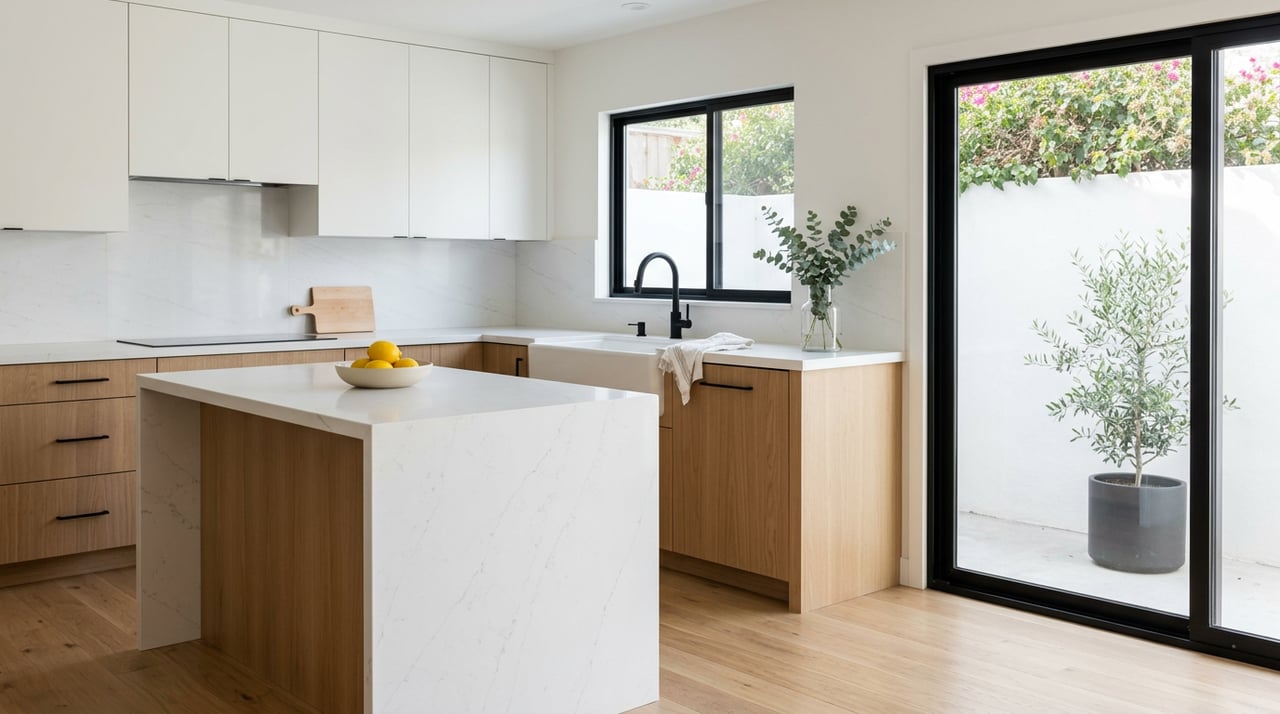
- Decide on scope with ROI in mind. Exterior curb appeal and modest kitchen or bath refreshes often deliver strong recoup by national benchmarks. Avoid promising exact dollar returns and focus on value‑add projects that meet buyer expectations in your price range.
Who typically handles it: you and your general contractor coordinate permitting; your listing agent helps you prioritize based on comps and buyer expectations.
Months 4–8: Cosmetics and vendor coordination
- Order a general home inspection and a wood‑destroying organism (termite) inspection. Address safety items and start termite remediation if needed. California’s WDO reporting and re‑inspection process is standardized, so starting early keeps you on schedule. (California WDO reporting rules)
- If your property has an HOA, order the resale packet now. California Civil Code requires specific documents and allows 10 days once requested, but processing can take longer. Early ordering prevents escrow delays. (Civ. Code §4530 HOA documents)
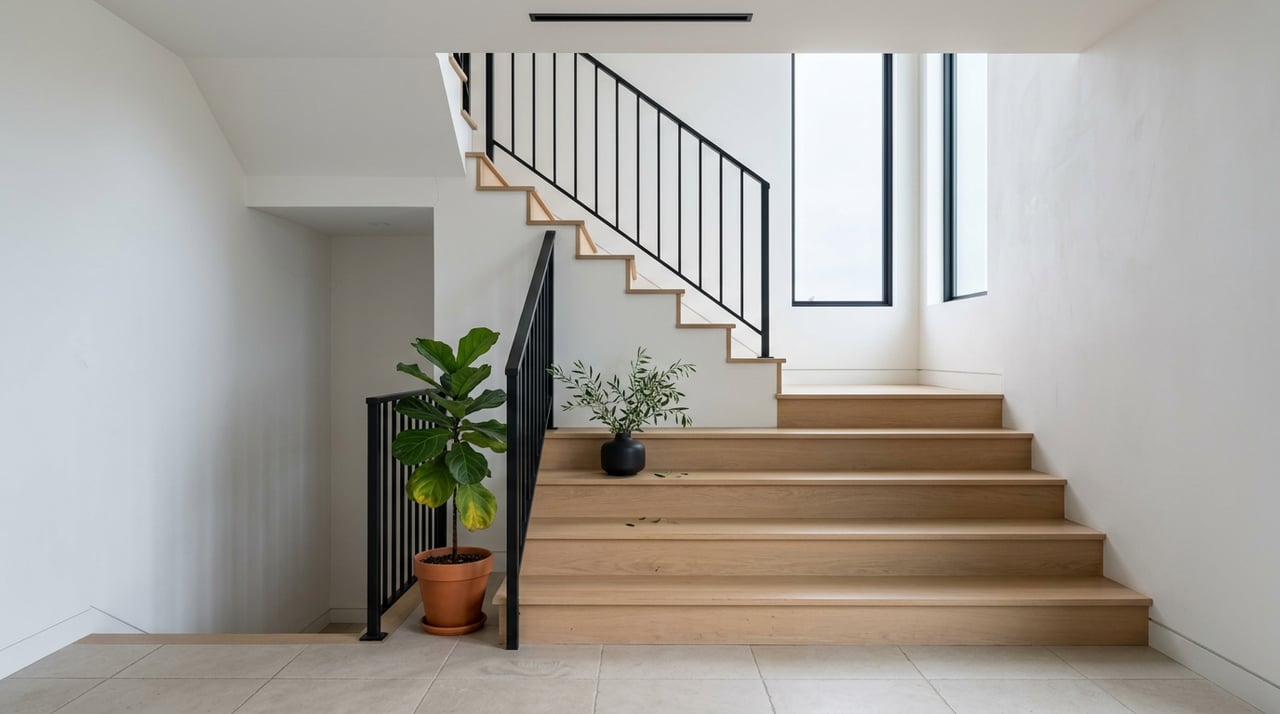
- Book a staging consult and build a plan. You can stage fully or target high‑impact rooms like the living room, kitchen, and the main bedroom.
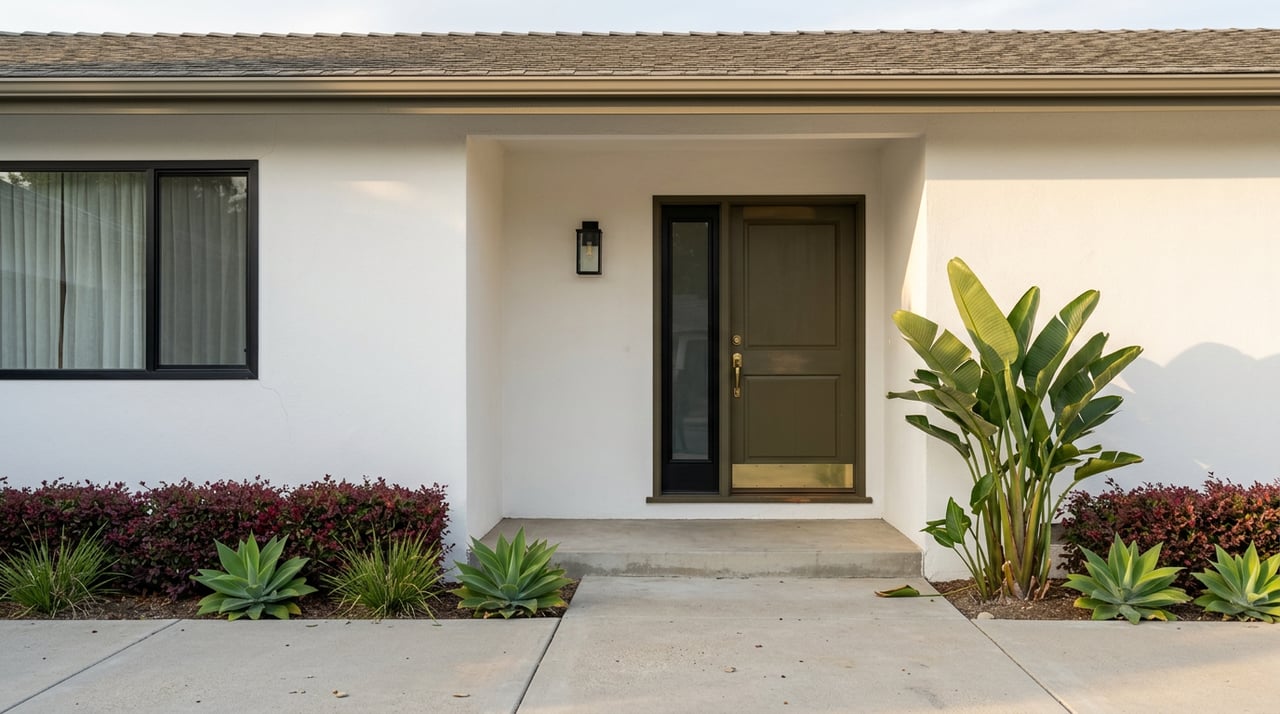
- Schedule landscaping and curb appeal updates. Clean, trim, refresh mulch, and repair paths or lighting to improve first impressions.
Who typically handles it: you order inspections with agent‑recommended vendors; your agent assists with HOA ordering and staging coordination; landscapers handle exterior tune‑ups.
Weeks 3–6 before listing: Final prep
- Deep clean, declutter, and complete paint touch‑ups. Replace burnt bulbs and ensure consistent, warm lighting throughout.
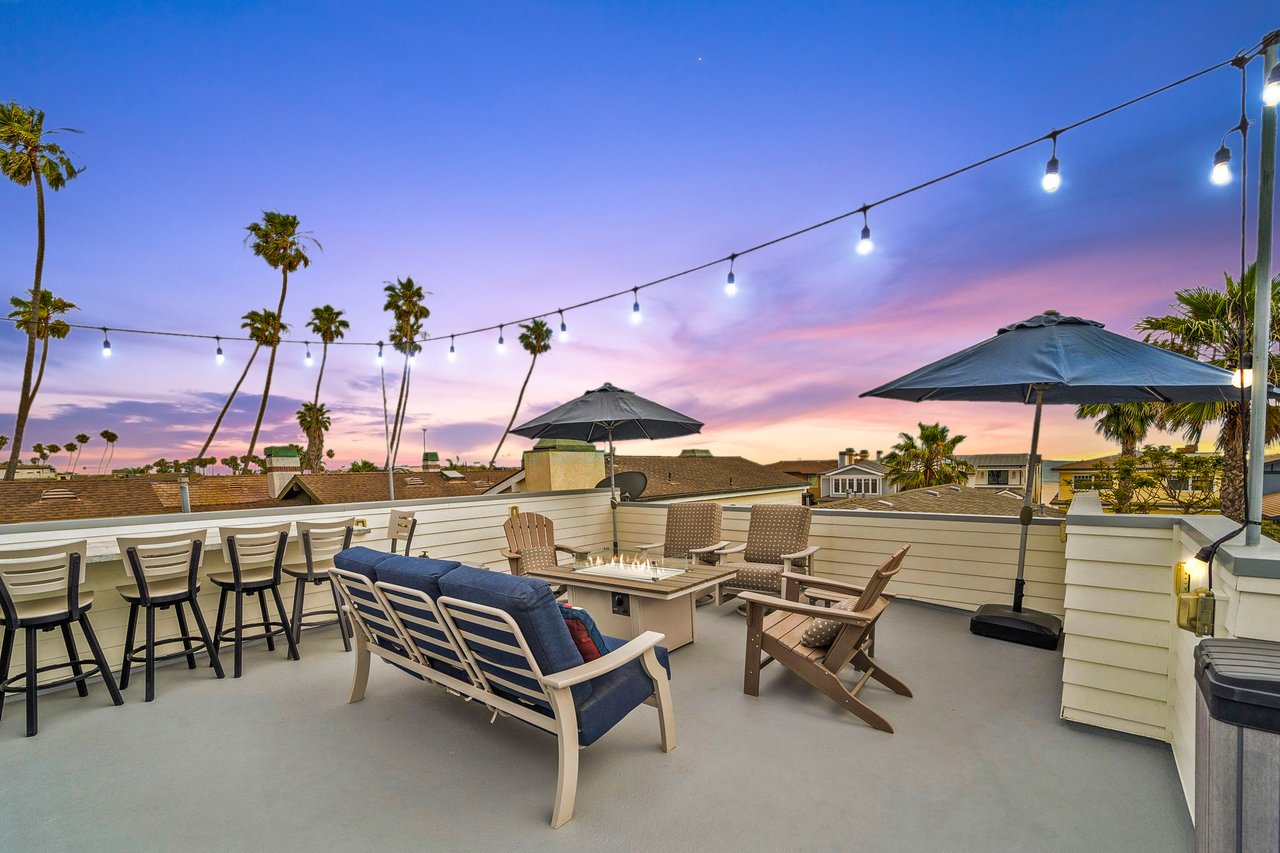
- Stage first, then photograph. Book professional interior and exterior photos, floor plans, a 3D tour for higher‑priced or remote‑buyer appeal, and a twilight shot if it fits. Better visuals increase showings and shorten time on market. (Photography data on ROI)
- Assemble your disclosure packet and hand it to buyers early. That reduces questions and keeps escrow on track.
Who typically handles it: your stager and cleaner prep interiors; your agent schedules the photographer and consolidates disclosures; you sign and provide supporting receipts.
Days 1–14 after launch: Market smart
- Execute a coordinated launch. Think broker previews, open houses, and targeted digital promotion across the right channels.
- Review first‑week feedback and showing patterns. If needed, fine‑tune pricing or presentation quickly to maintain momentum.
Who typically handles it: your listing team leads the rollout and feedback loop; you maintain show‑ready condition.
Required disclosures and local taxes
In California, sellers of most 1–4 unit homes must deliver a set of disclosures. Deliver them as early as possible. Late delivery can give buyers cancellation rights.
- Transfer Disclosure Statement (TDS). You disclose known material facts and defects. Provide it promptly to avoid legal remedies for late delivery. (California Civil Code on TDS)
- Natural Hazard Disclosure (NHD). This covers mapped hazards such as flood, very high fire hazard, earthquake fault, seismic, landslide, and special flood hazard zones. Coastal and older Long Beach areas often have relevant flags. Your agent typically orders a third‑party NHD report. (CAR quick guide to NHD)
- Smoke alarm, carbon monoxide, and water‑heater bracing statements. California requires written statements confirming compliance. Install devices where required and confirm strapping on water heaters. (HSC §13113.8 smoke alarm)
- Lead‑based paint. For homes built before 1978, provide the EPA/HUD pamphlet and disclose any known lead information. (EPA lead safety pamphlet)
- Mello‑Roos and special assessments. If your property is in a Community Facilities District or has special taxes, disclose them. Review your current property tax bill and share it with your agent.
- HOA resale package. If you are in an HOA, the Davis‑Stirling Act specifies required resale documents. Order early to avoid closing delays. (Civ. Code §4525 HOA disclosure list)
- Transfer taxes. Los Angeles County and applicable city documentary transfer taxes are typically collected at recording.
Who orders what
- TDS and seller questionnaires: you complete; your agent consolidates.
- NHD report: your agent orders from a third‑party provider.
- Smoke/CO/water‑heater compliance statements: you complete; your agent includes in the packet.
- Lead pamphlet and disclosure (pre‑1978): your agent supplies; you disclose any known information.
- HOA resale packet: you or your agent requests from the association; escrow often coordinates payment.
- Special tax details: you provide your latest property tax bill; your agent flags any special assessments.
- Transfer taxes: escrow calculates and collects at closing.
Prioritize repairs and inspections
Your goal is to remove buyer objections and financing hurdles before they appear in escrow.
- Start with safety and structural items. Fix roof leaks, foundation movement, active water intrusion, or electrical hazards first. These are highest risk to closing.
- Handle lender‑sensitive items next. Address termite Section I issues, significant HVAC or plumbing deficiencies, and similar findings early. California’s WDO framework expects clear documentation and re‑inspection where needed. (California WDO reporting rules)
- Confirm permits on past work. Disclose any known unpermitted items and consult the city on paths to legalize or disclose appropriately. Buyers and lenders often scrutinize conversions and ADUs. (Long Beach permit lookup)
- Consider a sewer scope. Older laterals near the coast can fail or back up. A simple camera inspection now can prevent last‑minute surprises. (LB Utilities sewer guidance)
- Be transparent about hazards. Flood, seismic, historical oil‑field parcels, or other environmental factors are addressed in the NHD and your disclosures. Give buyers the full picture early. (CAR NHD quick guide)
- Then do high‑impact cosmetics. Fresh neutral paint, a deep clean, flooring touch‑ups, and curb appeal updates consistently help photos pop and showings convert.
Presentation and marketing that move the needle
- Staging. Many agents report that staging helps buyers visualize themselves in a home and can reduce time on market. Prioritize the living room, kitchen, and main bedroom for the biggest impact. (NAR staging impact)
- Professional visuals. High‑quality photography, floor plans, and a 3D tour attract more showings and help remote buyers engage. Consider drone imagery for view or coastal‑adjacent locations where appropriate. (Photography data on ROI)
- Virtual staging. If the home is vacant, virtual staging can be cost‑effective. Clearly label it as virtual in all marketing to avoid misrepresentation. (NAR guidance on staging)
What a structured listing team handles for you
Here is what a disciplined listing process looks like behind the scenes, and why it matters for your sale.
- Vendor scheduling. A ready roster for termite, sewer camera, electricians, general contractors, stagers, and photographers reduces lead times and speeds re‑inspections. That keeps your timeline intact.
- Early, complete disclosure delivery. Your agent orders the NHD, HOA packet, WDO, and permit history early and delivers a single, organized packet to buyers. That reduces re‑requests and the risk of buyer rescission tied to late disclosures. (CAR NHD quick guide)
- Pricing and timing analytics. A current CMA aligned to your micro‑market, plus a targeted launch date, increases showings and lowers the odds of price reductions.
Pre‑listing packet to gather now
- Preliminary title report and your most recent property tax bill.
- Long Beach permit history printouts or permit numbers with final inspection sign‑offs. (City permit lookup)
- HOA resale packet or estoppel if applicable. (Civ. Code §4530 HOA documents)
- TDS, Seller Property Questionnaire if used, NHD report, smoke/CO and water‑heater compliance statements. (CAR NHD quick guide)
- WDO (termite) report plus any remediation invoices. (California WDO reporting rules)
- Receipts and warranties for recent roof, HVAC, plumbing, and electrical work, plus staging and photography bookings.
Costs and budget ranges
- Staging. Many sellers invest a modest amount for a consult or targeted staging that pays back through stronger photos and faster traction. NAR’s staging profile shows measured impact on buyer perception and days on market. (NAR staging impact) For planning, expect anything from a few hundred dollars for a consult to a few thousand for partial staging, depending on scope.
- Photography and media. Professional packages often range from a few hundred dollars for photos to higher for full bundles that include video, floor plans, and 3D tours. Better media increases online engagement and showings. (Photography data on ROI)
- Repairs and improvements. Exterior curb appeal projects and minor kitchen or bath refreshes tend to perform well by Cost vs Value benchmarks. Keep scope aligned with your comp set. The goal is fewer buyer objections and a stronger first impression, not an overbuild.
When you want the sale to feel smooth and predictable, process matters. If you are 6–12 months out, a quick planning call now can save weeks later by aligning timing, work scope, and disclosure prep. For a customized checklist and vendor plan for your property, reach out to Tyler Rogina.
FAQs
Should I get a pre‑listing home inspection in Long Beach?
- Yes. A general inspection, plus a termite inspection, helps you spot safety or lender‑sensitive items early so you can fix or disclose them before buyers use them to renegotiate.
Do I have to fix everything inspectors find before I sell?
- Not always. Prioritize safety and structural items and anything that could trigger lender conditions, then decide on other fixes or credits with your agent.
How long do HOA resale documents take in California?
- Associations must deliver required documents within the statutory timeline, but practical processing often takes longer, so order the packet early to avoid escrow delays. (Civ. Code §4530 HOA documents)
What if my Long Beach home has unpermitted work?
- Disclose what you know on the TDS and consult the city’s permit center about options. Lenders and buyers often require resolution or clear disclosure. (Long Beach permit lookup)
When is the best time to list in Long Beach?
- Spring tends to see strong buyer activity, with mid‑April often highlighted nationally, but your neighborhood and price band matter. Confirm timing with a current CMA.
Which repairs usually deliver ROI before listing?
- Focus on curb appeal, paint, lighting, and modest kitchen or bath refreshes. These improvements often help photos stand out and reduce buyer objections without over‑spending.