Newport Beach Home Styles for Buyers, Sellers, and Owners
If you picture Newport Beach as one single look, you will miss what makes this market so distinctive. Newport Beach is shaped by a collection of villages, waterfront areas, and older coastal pockets, and each one tells a different architectural story. If you are buying, selling, or renovating here, understanding those style differences can help you make smarter decisions about value, fit, and presentation. Let’s dive in.
Newport Beach is not defined by one dominant architectural identity. The city describes it through places like Balboa, Balboa Island, Lido Marina Village, Mariner’s Mile, Corona del Mar, and Newport Center, with the bay and beach helping shape the area’s character over time.
That local context matters in a premium market. As of April 30, 2026, Zillow reports an average home value of $3,709,420, a median sale price of $3,133,333, a median list price of $3,814,667, inventory of 333 homes, and about 21 days to pending. In a market at this price point, buyers often pay close attention to design coherence, renovation quality, and whether a home feels true to its setting.
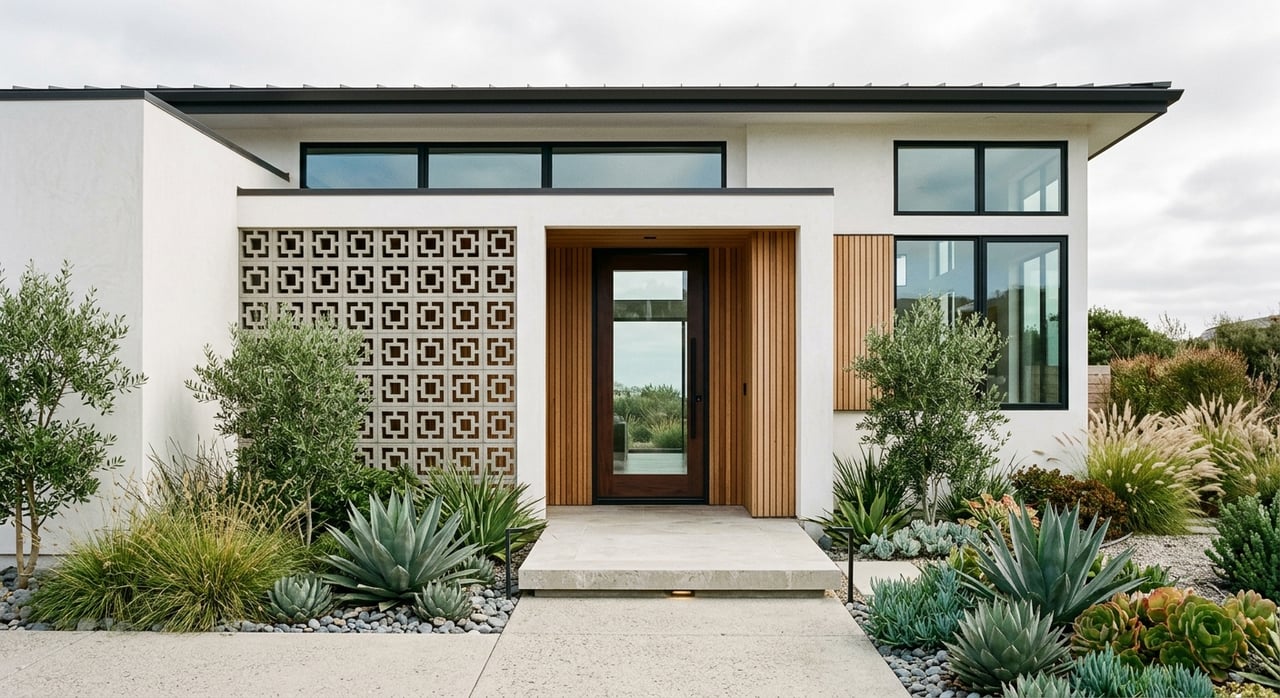
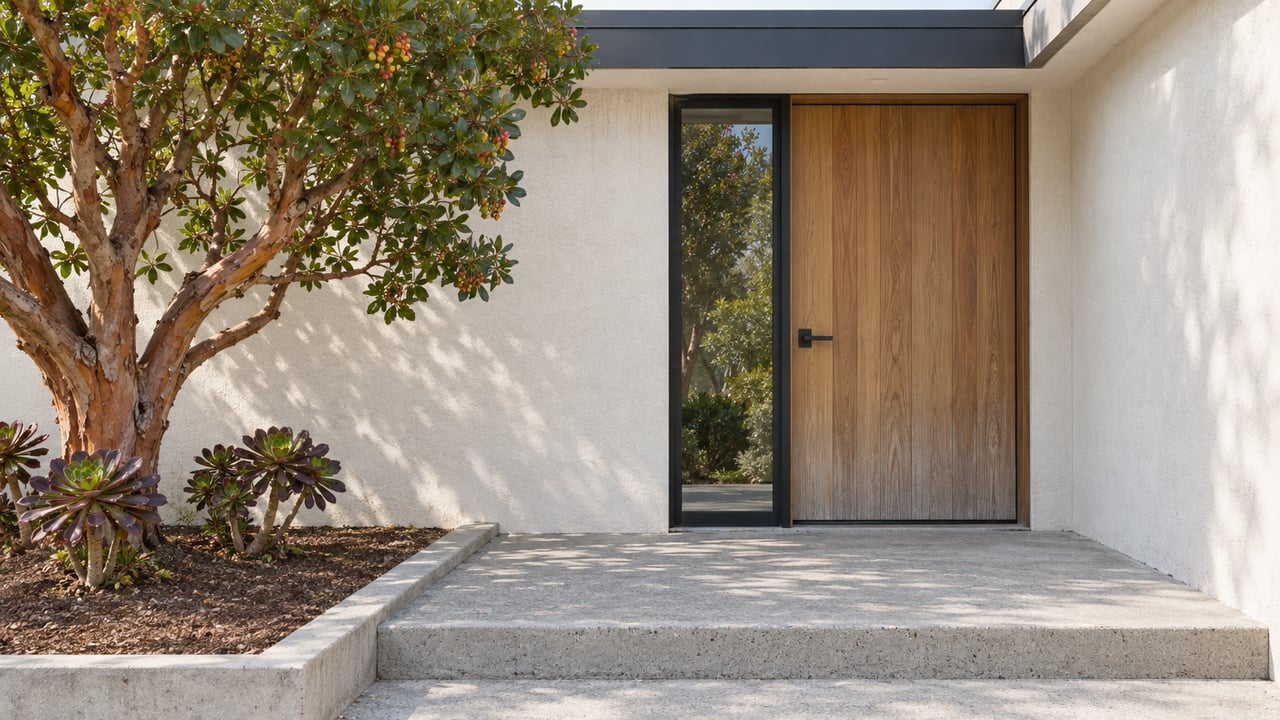
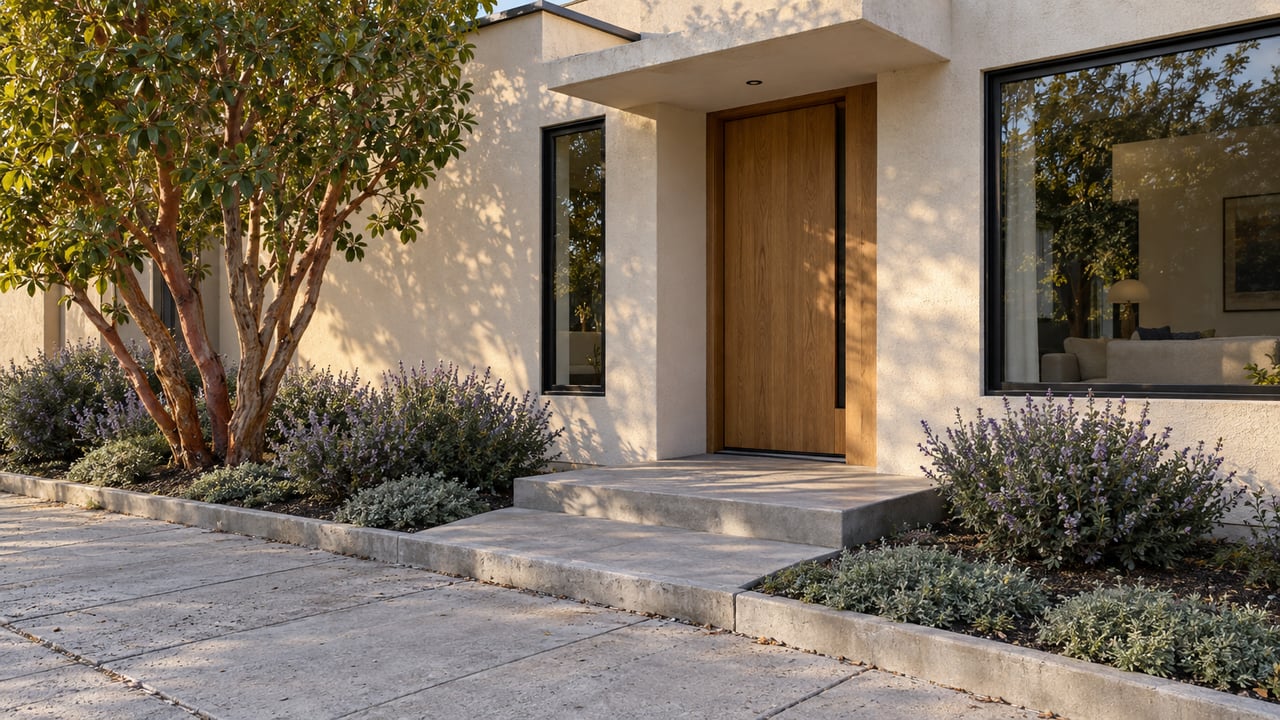
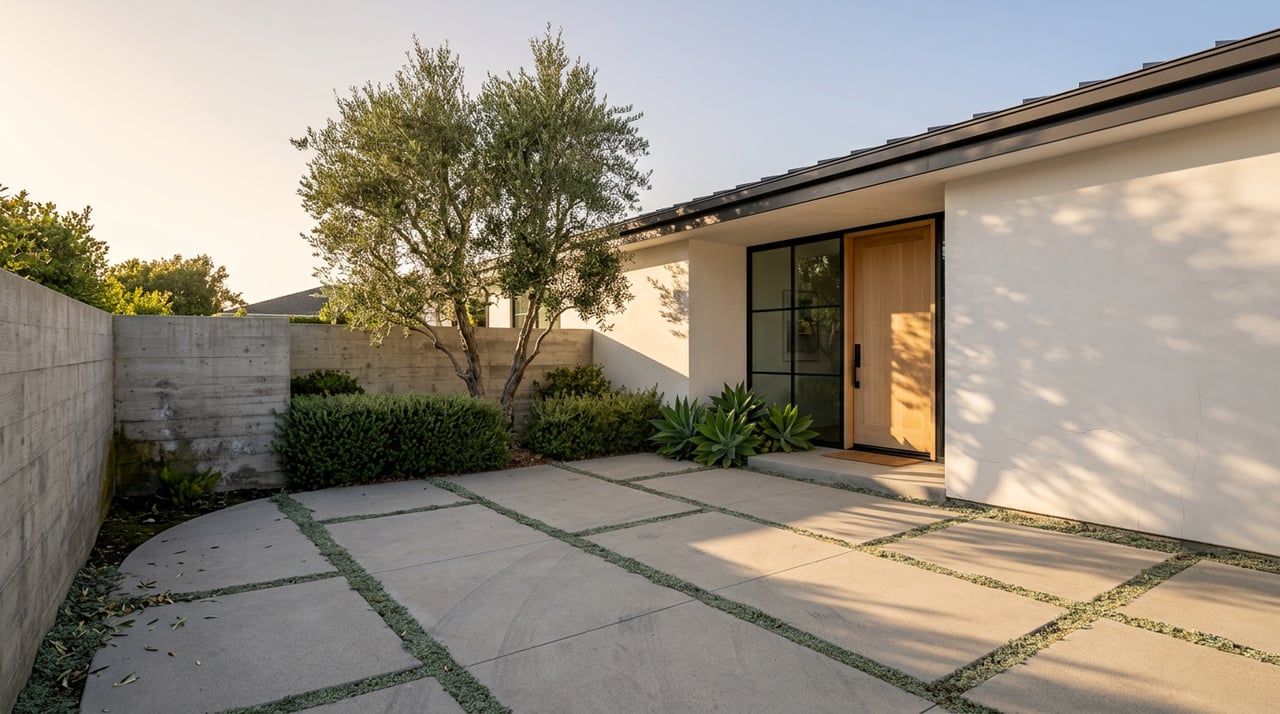
Contemporary coastal is one of the clearest style categories in newer Newport Beach development. City project documents describe coastal contemporary and modern contemporary homes with varied materials, textures, colors, balconies, private open space, stucco, synthetic wood siding, veneer stone, and articulated façades.
In practical terms, this style usually feels clean, open, and connected to outdoor living. You will often see a lighter visual profile, stronger indoor-outdoor flow, and design choices that respond to views and site orientation.
Common features in this category include:
Newport Beach planning guidance does not force a single contemporary formula everywhere. In Mariner’s Mile, for example, the city emphasizes architecture that fits its surroundings and responds to views while allowing creative flexibility rather than one unified theme.
Contemporary coastal homes often attract buyers who want a more current, design-forward feel. If you like bright spaces, a simpler visual palette, and a home that feels ready for modern coastal living, this category may be a strong fit.
For sellers, this style can also benefit from disciplined presentation. In a market where visual quality influences buyer perception, contemporary homes tend to perform best when the architecture, finishes, and staging all feel aligned.
Traditional coastal is a broad category in Newport Beach, and it covers some of the city’s most recognizable local character. City design guidance points to historic influences such as Georgian, Italianate, Colonial Revival, Tuscan, Italian Renaissance, and Monterey, while also cautioning against turning homes into heavy-handed replicas of older buildings.
Instead, the local guidance emphasizes proportion, window patterns, scaled detailing, and balanced use of materials like plaster, siding, and masonry. That creates a more grounded, neighborhood-sensitive result.
If you are looking for cottage and heritage-driven character, Newport Beach materials point most clearly to:
The city’s cottage-preservation program specifically treats smaller homes in old Corona del Mar, Balboa Island, and the Balboa Peninsula as representative of traditional development patterns. Crystal Cove adds another important reference point, with its 12.3-acre historic district of 46 rustic coastal cottages dating to the 1930s and 1940s.
In Balboa Village, the city identifies several design types that help explain Newport Beach’s older architectural vocabulary:
The city’s historical resources also identify examples like the Balboa Inn as Spanish Colonial Revival. These references matter because they show that Newport Beach’s architectural identity includes more than sleek new construction.
Traditional and cottage homes often appeal to buyers who want a smaller-scale setting and a stronger sense of local identity. These homes may feel more tied to the history and development pattern of a specific area rather than to broader contemporary design trends.
For sellers, that means updates usually work best when they respect the home’s original form and proportion. In Newport Beach, preserving character can be part of the value story, not an obstacle to it.
Midcentury modern is not the dominant style across Newport Beach, but it is part of the city’s architectural story. A key local reference is the Mariners’ Medical Arts building, which the city identifies as a mid-century modern work by Richard Neutra and a significant historic resource.
That matters because it shows modernist design has real local pedigree here. Newport Beach’s historical resources also recognize other architectural landmarks, reinforcing that design authorship and period significance can shape how properties are understood.
For many buyers, midcentury modern reads as architectural and design-led rather than decorative. It tends to appeal to people who care about clean structure, modernist influence, and the historical significance of a property’s design language.
If you are selling a home with modernist roots or details, the takeaway is simple: presentation should help buyers recognize that design story. Homes with architectural identity often benefit from marketing that explains why the design matters.
One of the biggest mistakes buyers and sellers make is assuming contemporary is the default everywhere. It is not. Newport Beach is better understood as a set of distinct places, and the architecture can shift meaningfully from one area to another.
That is especially important if you are comparing options across multiple neighborhoods. A home that feels perfectly aligned in one part of Newport Beach may feel out of place in another, which can affect both buyer appeal and how people perceive value.
Here is a useful shorthand when evaluating Newport Beach home styles:
| Style family | Often associated with | General appeal |
|---|---|---|
| Contemporary coastal | Newer development and updated homes | Clean, open, modern coastal living |
| Traditional coastal | Village-based and legacy areas | Local character and classic proportion |
| Cottage | Old Corona del Mar, Balboa Island, Balboa Peninsula, Crystal Cove | Smaller-scale charm and historic feel |
| Midcentury modern | Design-significant modernist references | Architectural identity and design pedigree |
In Newport Beach, style is not only about looks. It also connects directly to what you can change and how difficult the process may be.
The city’s coastal development review rules require a coastal development permit for certain work in the coastal zone. That can include improvements between the sea and the first public road, work within 300 feet of the inland extent of a beach or the mean high tide line where there is no beach, significant floor-area increases, an added story, or major attached structures such as garages, fences, shoreline protective works, or docks.
In some markets, adding square footage or reworking the structure is mostly a design and budget question. In Newport Beach, those changes may also trigger more review, more documentation, and more coordination.
The city’s instructions for coastal development review call for detailed plans, including site layout, floor plans, elevations, roof plan, demolition plan, grading and drainage, and erosion-control information. If you are buying a home with renovation plans in mind, that review framework should be part of your thinking from the start.
Older cottage areas have an especially important local framework. Newport Beach’s cottage-preservation program is voluntary, but it gives owners of eligible cottages a path to create more livable homes while preserving the traditional cottage form.
Under that program, the front half of the lot is limited to one story and 16 feet, the rear half can go to two stories and 24 feet, and third floors and third-floor decks are prohibited. The city created the program because owners often had trouble updating small cottages without tearing them down entirely.
If you are buying in an older cottage area, renovation potential may be more nuanced than it first appears. The conversation is often not just about how much you can add, but how the building envelope, height, and massing rules shape the final result.
If you are selling, buyers may respond well to improvements that make a cottage more functional without losing the form that gives it character. In these areas, thoughtful design restraint can be a selling point.
No one architectural style automatically wins every time in Newport Beach. What tends to matter more is whether the home feels coherent for its location, condition, and buyer expectations.
In a market with average values above $3.7 million and limited inventory, style, condition, and presentation are likely to influence buyer perception and pricing outcomes. That is why design decisions, renovation scope, and marketing strategy often need to work together.
For buyers, that means looking beyond surface finishes and asking whether a home’s architecture fits the area and supports your long-term plans. For sellers, it means understanding that buyers in Newport Beach often notice the difference between a home that is simply updated and a home that feels architecturally resolved.
If you are buying, start by identifying which style family actually fits the way you want to live. You may love the openness of contemporary coastal design, or you may prefer the local character and scale of a cottage or traditional home.
If you are selling, evaluate your property through a Newport Beach lens, not a generic one. The strongest strategy is usually to lean into what the home already is, present it clearly, and make updates that support its architectural identity rather than fight it.
That kind of planning is especially important in style-sensitive coastal markets. If you want help evaluating how your home’s design, presentation, or renovation path may affect your next move, connect with Tyler Rogina for a customized strategy.
Stay up to date on the latest real estate trends.

Discover how scenic trails, protected wetlands, and a quieter side of coastal living make the neighborhoods surrounding Upper Newport Bay some of Newport Beach's most … Read more

Celebrating a milestone of excellence, trusted relationships, and proven results in Long Beach and Orange County real estate.

Same building. Same square footage. So why can two Long Beach condos sell for hundreds of thousands of dollars apart?
Rooted in family values and driven by purpose, Rogina Group operates with a philosophy that success means more than numbers. It is about impact, relationships, and building a life you are proud of.
ROGINA GROUP
6460 Pacific Coast Hwy Ste 225 Long Beach, CA 90803 Tyler Rogina | CA DRE# 01925584