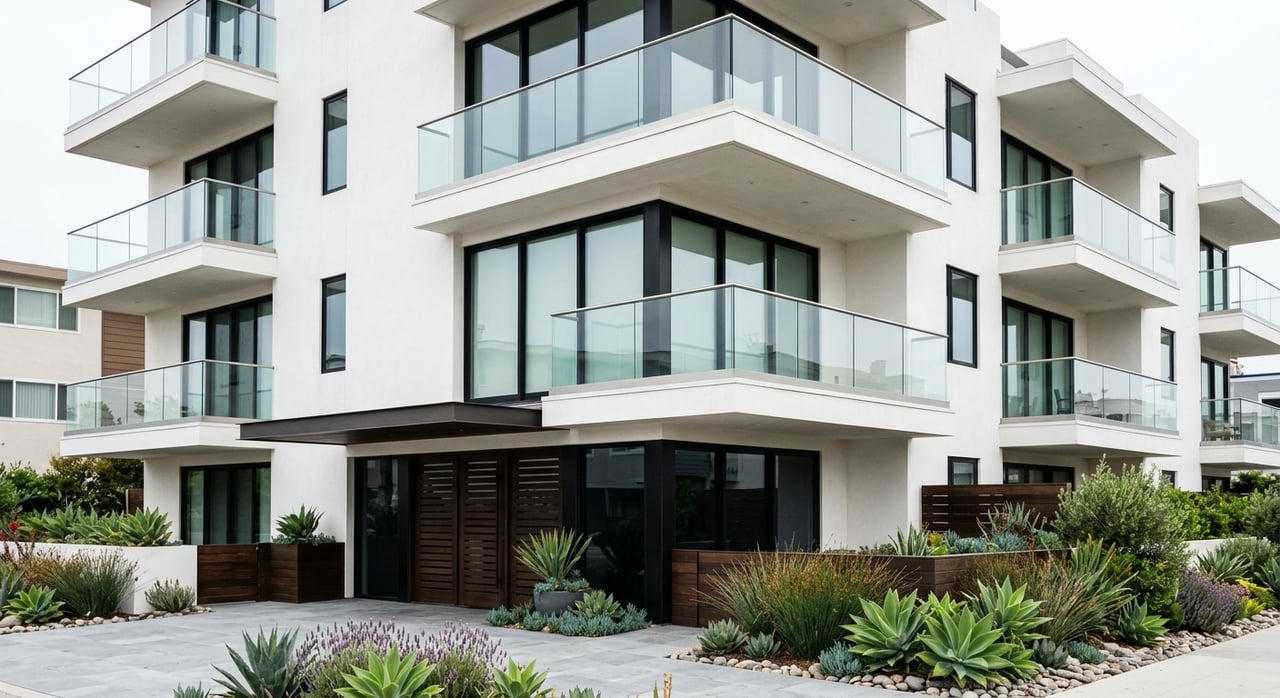
Buying A Coastal Condo In Newport Beach: Key Considerations
If you are thinking about buying a coastal condo in Newport Beach, the view is only part of the story. In this market, one building can feel very different from another when you look at flood exposure, HOA health, insurance needs, and long-term upkeep. The good news is that with the right review process, you can separate a great fit from an expensive surprise. Let’s dive in.
Newport Beach is a premium condo market, with 86 condos for sale and a median listing price of $2.38 million according to Redfin. But the city is not one uniform coastal zone. Newport Beach includes low-elevation areas like West Newport, Balboa Peninsula, and Newport Bay, along with elevated marine terrace areas and higher hills.
That matters because two condos with the same city name can come with very different ownership realities. A low-lying shoreline building may have different flood considerations, maintenance demands, and insurance costs than a condo in a higher-elevation part of the city. When you buy here, the exact building and parcel deserve as much attention as the floor plan and finishes.
Newport Beach actively manages tidal flooding with 86 tidal valves and 18 pumps. Even so, the city acknowledges that low-lying areas remain vulnerable, and its resilience analysis notes that even modest sea-level rise can flood built-out areas such as Balboa Peninsula and Newport Harbor.
The city also projects that beach and cliff erosion may worsen over time. For you as a buyer, that means “coastal condo” is not specific enough. You want to understand how that particular building sits within the city’s geography, not just how close it is to the water.
If a condo is in or near Balboa Peninsula, Newport Harbor, or another low-elevation area, take a closer look at parcel-level risk. The city’s coastal development review process for new development and significant remodels considers sea-level rise, wave uprush, geologic stability, erosion, flooding and inundation, and saltwater intrusion.
That does not mean a low-lying condo is automatically the wrong choice. It means your evaluation needs to be more precise. In Newport Beach, exposure can change block by block and building by building.
Before moving forward, confirm the exact building address and review flood-hazard information for that parcel and surrounding area. This step helps you understand whether flood insurance may be required and how flood risk could affect your long-term ownership costs.
It also gives you better context for questions about prior water intrusion, drainage improvements, or building-level mitigation. In a coastal market, these are not minor details. They are part of smart due diligence.
When you buy a condo in California, you are not just buying the interior of a unit. You are also buying into a common-interest community with shared rules, common areas, and financial obligations. The California Department of Real Estate explains that condo ownership includes the unit itself plus an interest in common area and common-area facilities.
That is why HOA review should never be treated like paperwork you skim at the end. The association’s budget, reserve funding, and rules will directly affect your monthly costs, use of the property, and future repair exposure.
HOA dues often pay for much more than landscaping or amenities. According to the DRE, HOA costs can include fixed costs, operating costs, reserves, administration, and contingency planning. Reserves may be used for major maintenance items such as painting, roofing, lighting, carpet, pool equipment or furniture, and paving.
In a coastal condo, this is especially important. You want to know whether dues are supporting a realistic maintenance plan or just covering current operations while bigger projects are postponed.
California’s Attorney General explains that the HOA makes and enforces rules for the condominium community. Governing documents usually include the CC&Rs, bylaws, and board rules. These documents can shape everything from design standards to the use of shared amenities.
Some associations also charge user fees for amenities they own or control. So if a building offers extra features, ask whether access is fully included in the monthly dues or whether added costs apply. In some communities, the headline HOA number is not the complete picture.
California law limits how regular and special assessments can increase without member approval. Still, special assessments can be used for major repairs, replacements, or new common-area construction. The DRE also notes that HOA assessment obligations are enforceable, and delinquent amounts can lead to liens.
For you, the practical question is simple: is the building staying ahead of repairs, or catching up to them? A condo with underfunded reserves may look attractive at first, but future assessments can change affordability quickly.
A coastal condo should be reviewed like a small operating business. That is especially true in older buildings or condo conversions, where hidden infrastructure and shared systems may need major rehabilitation. The DRE warns that buyers can be surprised by maintenance and repair needs tied to mechanical, electrical, plumbing, or structural components.
This is where your contract review period matters. It is your chance to study the documents carefully and decide whether the property fits your budget, risk tolerance, and ownership timeline.
Coastal environments create extra wear on building materials. FEMA notes that salt spray and moisture can accelerate corrosion in metal connectors and other components. For a buyer, that means exterior exposure, waterproofing history, and recent façade work deserve extra attention.
A newer lobby or attractive common area does not always tell you what is happening behind the scenes. Ask about major building systems, completed repairs, and any known maintenance plans that could affect future costs.
Reserve funding is one of the clearest indicators of building health. The DRE notes that if assessments are not keeping pace with repairs, the HOA may have to reduce services or raise dues and special assessments later.
A well-run association is not necessarily the one with the lowest dues. It is often the one with a budget and reserve strategy that match the building’s actual needs. In Newport Beach, where coastal conditions can speed up wear, that distinction matters.
The purchase price is only one part of what a Newport Beach condo costs to own. Your full carrying cost may include your mortgage, HOA dues, condo insurance, possible flood insurance, and optional earthquake coverage.
If you are comparing properties, this is where the analysis gets more useful. A condo with a lower asking price but higher insurance and assessment exposure may not be the better long-term value.
Standard homeowners insurance generally does not cover flood damage. FEMA states that flood insurance is a separate policy, and properties in Special Flood Hazard Areas with mortgages from government-backed lenders generally must carry it.
Flood premiums can depend on factors such as location, flood zone, structure design, and age. So if you are buying in a low-lying part of Newport Beach, this cost should be modeled early, not after you are already emotionally committed.
The California Department of Insurance explains that unit-owner insurance may cover personal property, loss of use, personal liability, medical payments to others, and interior improvements the owner is responsible for maintaining. The association generally insures the building structure and common areas.
You should also ask about loss-assessment coverage. The CDI notes that this can matter if the association charges unit owners for part of a loss. In a shared-ownership property, your personal policy and the HOA’s master policy need to be understood together.
In California, earthquake exposure belongs in the conversation too. The California Department of Insurance says condo owners can buy earthquake insurance for belongings and living expenses, and they may also need coverage for association assessments tied to earthquake damage.
The California Earthquake Authority offers condo policies that can include up to $100,000 for certain assessments. Whether you decide to carry this coverage depends on your financial comfort level, but it should be part of the review, not an afterthought.
If you want a cleaner decision-making process, focus on these steps before you remove contingencies:
In Newport Beach, the building-level distinction is the whole story. Two condos in the same city can differ in flood exposure, reserve strength, insurance needs, and long-term maintenance profile.
That is why a smart condo search here should be both lifestyle-driven and document-driven. You want a home that fits how you want to live, but you also want the numbers, rules, and building condition to support that choice over time.
If you want help comparing condos beyond the photos and list price, Tyler Rogina can help you build a clear buying plan, review the right details, and move forward with confidence.
Stay up to date on the latest real estate trends.
By Tyler Rogina, Broker Associate | Rogina Group at Compass | September 10, 2026

By Tyler Rogina, Broker Associate | Rogina Group at Compass | September 4, 2026

By Tyler Rogina, Broker Associate | Rogina Group at Compass | September 4, 2026

A local look at home prices, housing, parking, commuting, and what it’s like to live in Long Beach’s Washington School neighborhood.


A closer look at the public art, walking trails, and everyday experiences that make Civic Center Park one of Newport Beach's most distinctive neighborhood amenities.
Rooted in family values and driven by purpose, Rogina Group operates with a philosophy that success means more than numbers. It is about impact, relationships, and building a life you are proud of.

ROGINA GROUP
6460 Pacific Coast Hwy Ste 225 Long Beach, CA 90803 Tyler Rogina | CA DRE# 01925584