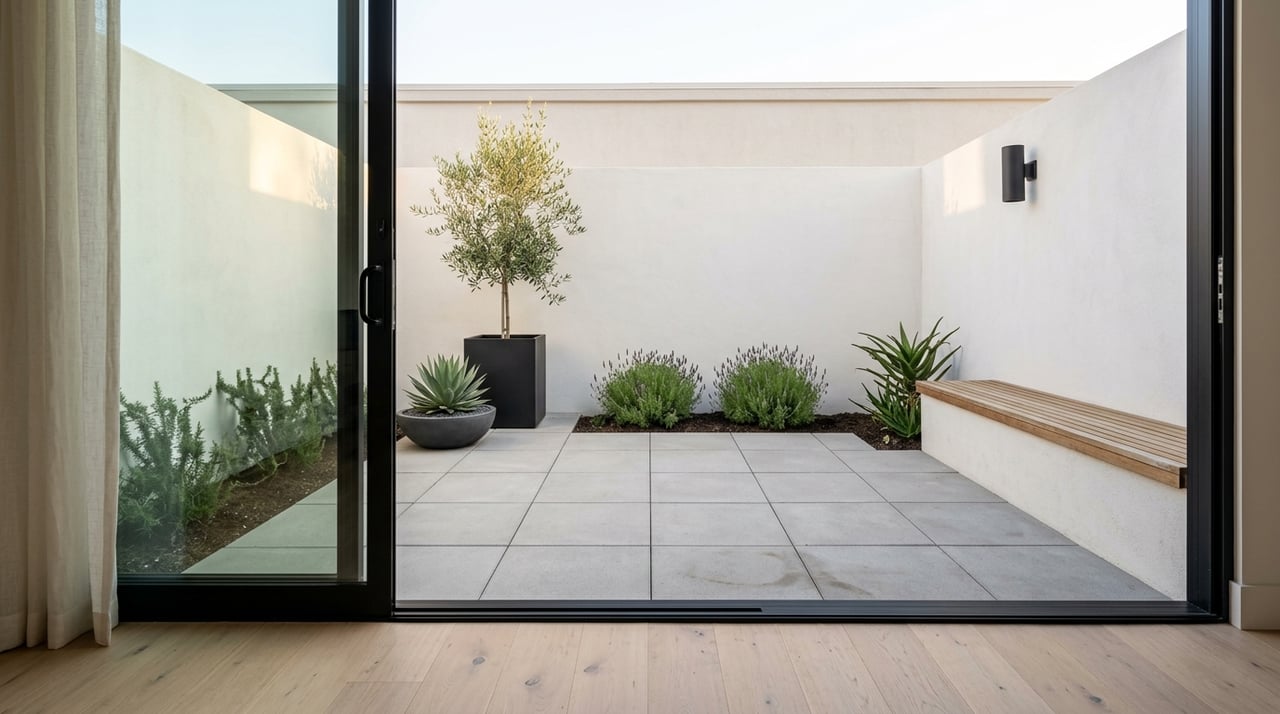
What Daily Life Feels Like In Newport Beach
Curious what it’s actually like to live in Newport Beach day to day, beyond the postcard version? If you are considering a move here, the real answer is more nuanced than endless beach walks and sunshine. Newport Beach offers a high-amenity coastal lifestyle with distinct neighborhood pockets, practical routines, and a rhythm that changes with traffic, tourism, and the season. Let’s dive in.
Newport Beach often feels less like one single city and more like a collection of smaller coastal districts. The city describes itself as a community of villages, including Balboa Peninsula, Balboa Island, Lido Marina Village, Mariner’s Mile, Corona del Mar, Newport Center, Fashion Island, and Newport Coast.
That matters because your daily experience can vary a lot depending on where you live. Some areas feel more residential and tucked away, while others feel active, public-facing, and shaped by visitors throughout the year.
In 2024, Newport Beach had an estimated population of 82,970. The city also reported a median household income of $156,867, a median owner-occupied home value of $2,000,001+, and a mean commute time of 22.9 minutes. Taken together, that points to a coastal city with strong amenities, a high cost of entry, and a lifestyle that often blends convenience with trade-offs.
If you picture Newport Beach as a place where you can walk everywhere, that may only be true in certain pockets. In practice, daily life is still heavily shaped by driving, errands by car, and planning around traffic.
Census Reporter summarizes local commute patterns as 63% of workers driving alone and 29% working from home. The U.S. Census Bureau reports a mean travel time to work of 22.9 minutes, which suggests many residents have manageable commutes by Orange County standards, even though the city remains car-oriented.
That practical side of Newport Beach is important for buyers to understand. The lifestyle may feel coastal and relaxed, but getting to work, shopping, appointments, and activities still often depends on your route, timing, and parking situation.
John Wayne Airport sits along Newport Beach’s northern boundary and is the only commercial-service airport in Orange County. According to the city, it serves about 11.3 million passengers annually and supports roughly 130 commercial flights per day.
For many residents, that is a major convenience. At the same time, nearby living can also mean airport-related noise, traffic, and emissions are part of the everyday conversation.
Newport Beach actively manages local traffic conditions through signal operations, signage, traffic management, and boardwalk safety. The city also operates the free Balboa Peninsula Trolley during summer weekends and major holidays, with 22 stops designed to help reduce parking demand and cruising for spaces.
That tells you something useful about daily life here. Newport Beach is well-supported by city services, but it is also a place where traffic flow and parking pressure are regular parts of the local experience.
The weather plays a big role in how Newport Beach feels day to day. The city’s harbor climate data shows an annual average maximum temperature of 67.5°F, an annual average minimum of 54°F, and about 10.8 inches of annual rainfall.
In real terms, that supports a lifestyle where outdoor time is built into the week, not saved for special occasions. Walks, beach time, boating, dining outside, and waterfront recreation can feel like normal parts of your schedule for much of the year.
Still, mild weather does not remove the practical side of coastal living. The city also has to manage water use, parking, crowds, and ongoing coastal maintenance, which are all part of living in a busy Southern California beach market.
One of the biggest differences between visiting Newport Beach and living there is this: the beach and harbor are not just attractions. They are part of the city’s infrastructure and daily identity.
Newport Beach includes more than eight miles of beaches, and the city keeps ocean and bay-front beaches open from 6 a.m. to 10 p.m. Crystal Cove State Park beaches close at sunset. The city also notes that there are numerous public lots, meters, and on-street spaces near the beaches, which helps explain why parking becomes part of your routine if beach access is important to you.
Newport Harbor is equally central to daily life. The Harbor Department describes it as one of the largest recreational harbors in the United States and manages guest slips, moorings, Marina Park, and daily harbor patrols.
That means boating and marine access are not fringe lifestyle perks here. They are woven into how the city functions.
Balboa Peninsula is one of the most visitor-heavy parts of Newport Beach. The city describes it as a three-mile strip between the harbor and the Pacific Ocean, with destinations like the Wedge, Ocean Front Walk, Newport Pier, McFadden Square, and the Dory Fishing Fleet.
If you live nearby, even simple outings can feel energetic and seasonal. That can be a plus if you want activity and easy beach access, but it also means a more public atmosphere than quieter inland pockets.
Balboa Island tends to feel more compact and neighborhood-centered. The city notes that Marine Avenue is lined with shops, art galleries, and restaurants, and the island is known for its perimeter walking path, annual parade, annual Art Walk, and local food staples like the Balboa Bar.
For full-time residents, this creates a lived-in village feel rather than a purely resort-driven one. It is one of the clearest examples of how Newport Beach can feel both coastal and community-oriented at the same time.
Newport Beach does not revolve around one traditional downtown. Instead, shopping and dining are spread across several micro-areas, each with a different feel.
That gives residents options, but it also means your daily routine may naturally center around the district closest to your home and habits. Where you shop, dine, and spend free time can shape how you experience the city.
Fashion Island is one of the city’s best-known shopping areas. Visit Newport Beach describes it as Orange County’s premier coastal shopping destination, while the city places it within Newport Center, alongside office, residential, and hotel uses.
For residents, this area often functions less like a casual main street and more like a polished mixed-use center. It is convenient, high-end, and integrated into the broader rhythm of work, errands, and dining.
Lido Marina Village offers a different pace. Visit Newport Beach highlights waterfront dining, harbor views, shops, and the historic Lido Theater, giving the district a compact and browse-friendly feel.
If you enjoy a more stroll-oriented setting, this area may feel especially appealing. It leans into the harbor experience and encourages lingering rather than quick in-and-out errands.
Corona del Mar, often called CdM, feels like a separate village within the city. The city describes it as home to Corona del Mar State Beach, scenic overlooks, and a downtown stretch where shops, boutiques, and restaurants line both sides of Coast Highway.
For many residents, that translates into a smaller-scale retail and dining scene with a strong local identity. It offers a different daily rhythm from larger commercial hubs like Fashion Island.
Mariner’s Mile has a more corridor-style layout. According to the city, it includes yacht brokerages, marine supply stores, high-end automobile dealerships, plus a mix of retail and restaurants along Coast Highway.
This area tends to feel more utilitarian and traffic-exposed than the island or village-style districts. It still reflects Newport Beach’s coastal economy, but in a more working, practical form.
One of the most important things to understand about daily life in Newport Beach is that the city has more than one tempo. A calm weekday morning can feel very different from a summer Saturday or holiday event period.
The city’s own beach guidance makes that clear. Newport Beach notes that summer weddings are not advised because the beach and parking lots are extremely crowded, which is a strong indicator of how much visitor demand increases during peak times.
For residents, this means planning matters. The best time for errands, beach access, dining, and local driving may depend as much on the calendar as the distance.
Summer tends to amplify the visitor-facing side of Newport Beach, especially on the Peninsula and around the piers. First-come, first-served beach access patterns and the seasonal Peninsula trolley both reflect how much parking and circulation pressure rise during peak months.
If you love energy and activity, that can be part of the appeal. If you prefer a quieter routine, it is worth thinking carefully about where in Newport Beach you want to live.
The Newport Beach Christmas Boat Parade is one of the city’s signature traditions. Visit Newport Beach describes it as a five-night harbor event with more than 100 decorated boats traveling a 14-mile route.
For many residents, it is a highlight of the year. It also brings heavier traffic, more visitors, and increased parking demand in harbor-adjacent areas.
Newport Beach also experiences event-driven activity outside the holiday season. Visit Newport Beach lists the Newport Beach Film Festival in October, and the city’s Art Week programming adds another seasonal layer.
These events help give the city a dynamic, changing rhythm throughout the year. They can make Newport Beach feel lively and culturally active, while also creating predictable periods of added congestion.
The most accurate way to describe Newport Beach is that it is highly amenity-rich, but not friction-free. You get beach access, harbor access, mild weather, strong city services, and convenient airport proximity, but you also live with seasonal crowding, parking pressure, visitor traffic, and, in some locations, airport impacts.
That is why location within Newport Beach matters so much. Harbor-adjacent and peninsula areas can feel more active and public, while inland or hillside pockets may feel more residential and calm.
If you are trying to decide whether Newport Beach fits your lifestyle, the key question is not just whether you want to live near the coast. It is which version of Newport Beach matches how you want your week to feel.
If you want help comparing Newport Beach’s different living environments and weighing them against your goals, Tyler Rogina can help you build a clear, practical plan for your next move.
Stay up to date on the latest real estate trends.




Rooted in family values and driven by purpose, Rogina Group operates with a philosophy that success means more than numbers. It is about impact, relationships, and building a life you are proud of.
ROGINA GROUP
6460 Pacific Coast Hwy Ste 225 Long Beach, CA 90803 Tyler Rogina | CA DRE# 01925584