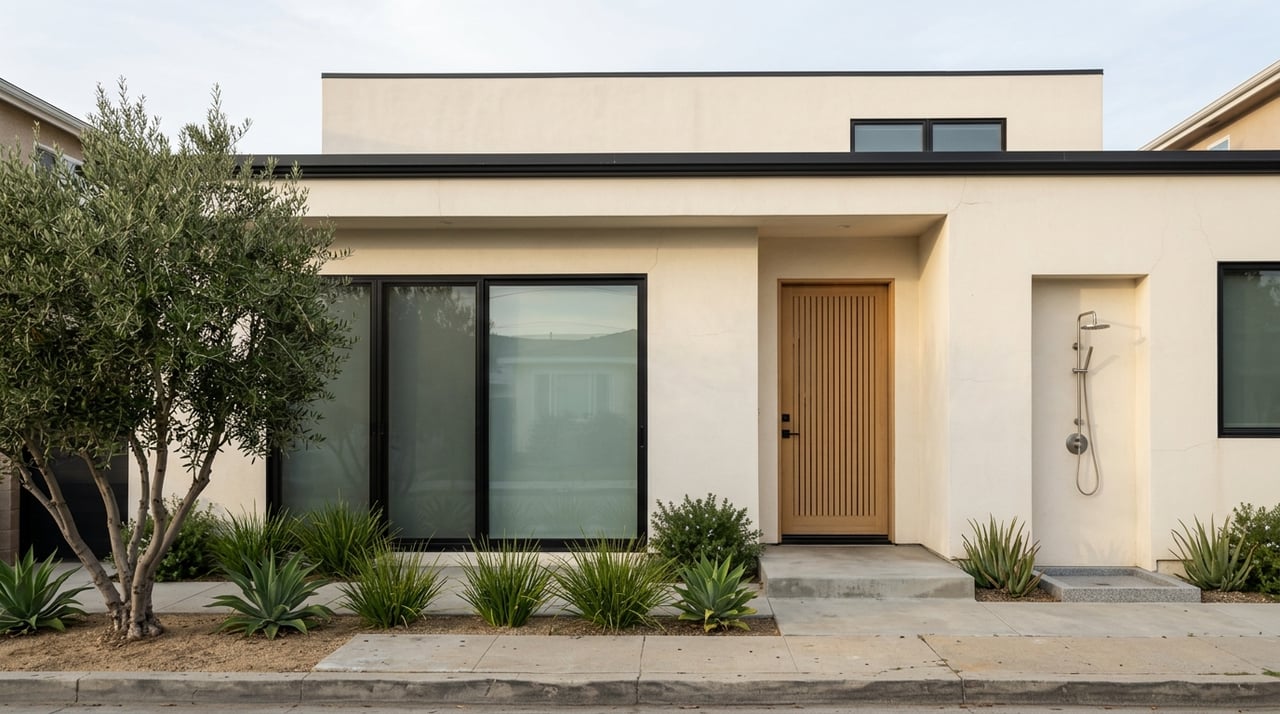
Living Near The Water In Long Beach
If you picture waterfront living in Long Beach as one single lifestyle, you may be surprised by how different each coastal pocket feels. Some areas put you close to marinas, paths, and active waterfront destinations, while others offer bluff-top views and a quieter daily rhythm. If you are trying to decide where near-the-water living fits your goals, this guide will help you understand the tradeoffs, lifestyle patterns, and access points that matter most. Let’s dive in.
Long Beach has about 7 miles of public beach and bays, and its nearshore waters are protected by breakwaters. That creates a coastal setting that is better understood as a series of distinct pockets rather than one uniform beach district. Your experience can change a lot depending on whether you are near the Downtown Shoreline, Bay Shore, Naples, the Peninsula, or Bluff Park.
The big theme is simple: the closer you are to the sand, bay, marina, or major waterfront attractions, the more access and activity you usually get. The tradeoff is often more parking pressure, more visitors, and busier circulation. Bluff-side locations can soften that tradeoff by offering water proximity and views with a calmer, more park-like feel.
The Downtown Shoreline area sits south of Ocean Boulevard from Golden Shore Drive to Alamitos Avenue. The city describes it as the threshold between Downtown Long Beach and the waterfront, with residences, offices, hotels, restaurants, the convention center, harbors, marinas, shoreline parks, and beaches.
If you like being close to activity, this part of the coast can feel very convenient. The waterfront connects to Shoreline Village, the Aquarium of the Pacific, the Queen Mary, and the convention center. Day to day, that means the area feels mixed-use and event-oriented, not like a quiet residential beach strip.
Alamitos Beach is the westernmost section of Long Beach’s beach system and serves as an entryway to the city’s long run of beaches. It links Downtown to Alamitos Bay through a paved bicycle path and a separate pedestrian path.
For many buyers, that path connection is a major lifestyle advantage. You can enjoy a more connected waterfront routine, whether that means walking, biking, or just having direct access to a longer stretch of coastline. It is a practical option if you want coastal access tied closely to Downtown amenities.
Belmont Shore has one of the most recognizable near-the-water lifestyles in Long Beach. The city’s coastal planning document describes it as dense, with narrow streets and a long-standing resident parking problem. Second Street acts as the main pedestrian-oriented commercial corridor, which adds convenience but also increases activity.
If you want a neighborhood with a steady sense of motion, this area may appeal to you. Shops, dining, beach access, and a walkable street pattern shape the daily experience. At the same time, the area’s popularity means summer visitors and restricted beach parking are part of the reality.
Bay Shore Beach nearby has a different feel from open-ocean-facing areas. It is separated from the open ocean by the Alamitos Peninsula, which gives it calm waters year-round. That can be a meaningful difference if you want easier day-to-day access to water-based recreation.
In summer, Bay Shore Avenue closes to traffic and becomes a promenade for pedestrians, bicyclists, skateboarders, rollerbladers, and roller skaters. That seasonal shift changes circulation patterns, but it also strengthens the area’s recreational appeal. If you like an active waterfront scene, Bay Shore can be one of the most lifestyle-driven pockets in the city.
Naples and the nearby marina area are especially relevant if you picture living near boating, bayside walking, and marina services. Alamitos Bay Marina is located near Pacific Coast Highway and Second Street, close to Belmont Shore and Naples Island. The marina has 1,624 slips, boater parking, restrooms, fuel, pump-out stations, and nearby shopping and dining within walking distance.
This part of Long Beach supports a more water-centered routine. Public transportation to other Long Beach destinations is available through buses and seasonal water taxis and shuttles. For buyers who want water access without giving up practical services nearby, that combination can be appealing.
The Peninsula stands out because it has beaches on both sides. It also includes a bayside walking loop, ocean-side sand maintenance, and parking lots at Bayshore Park and Alamitos Park.
That layout creates a distinct daily rhythm. You are not just near the water, you are surrounded by different types of waterfront access. If your ideal routine includes walking loops, beach time, and quick access to both bay and ocean settings, the Peninsula has a very specific draw.
Not every near-the-water buyer wants to be directly on the sand or in the busiest areas. Bluff Park offers a different version of coastal living, with ocean views, sea breezes, green space, benches, and footpaths. It is more about outlook and proximity than direct beach use.
This bluff-side setting often feels more passive and park-like. For some buyers, that is the right balance. You still get the visual and environmental benefits of the coast, but with less of the visitor-heavy rhythm that can come with the busier shoreline pockets.
One of Long Beach’s biggest coastal lifestyle assets is its path network. The Shoreline Pedestrian/Bicycle Path runs 3.1 miles from Alamitos Avenue to 54th Place, with separate lanes for bicycles and pedestrians. The city also says it connects into a broader system that includes four other major Class I bike paths totaling more than 60 miles.
That matters because waterfront living here is not only about views. It is also about how easily you can move through the city for exercise, short trips, and recreation. If you value a routine that includes walking or biking along the coast, Long Beach offers stronger infrastructure than many people expect.
Living near the water in Long Beach can also mean more direct access to recreation. Bay Shore offers a designated swim area, a 500-yard open-water swim course, kayak and paddleboard launch areas, rentals, restrooms, showers, and nearby services.
The broader marine system is also substantial. The city manages more than 3,300 slips in its three marinas, a commercial harbor, nearly eleven miles of recreational beach and waterfront, five launch ramps, and a rowing and water-skiing facility. If you want your home search to support an active outdoor routine, those details matter.
Many buyers ask whether they can live near the water in Long Beach without driving everywhere. In many cases, yes, but not perfectly. Long Beach offers more mobility options than many California beach areas, though coastal living here still works best when you plan around access and parking.
LB Circuit is a free micro-transit service between Downtown Long Beach and Alamitos Bay, and the city expanded service to cover Bluff Park, Bluff Heights, and more of Belmont Heights. It is designed to connect with Long Beach Transit stops and the LA Metro A Line, which helps with short trips and local connections.
Parking is often the most important practical issue for waterfront buyers. Current city rules show meters in Downtown, Belmont Shore’s Second Street area, beach lots, and other select locations. Preferential permits are also issued in parking-impacted areas.
Belmont Shore is the clearest example of this tradeoff. The city’s coastal planning documents have long described it as a dense area where parking is a major problem because of narrow streets, small lots, summer visitors, and the commercial pull of Second Street. If you are choosing between coastal pockets, this is one of the biggest lifestyle filters to think through.
A smart waterfront decision looks beyond scenery. The city samples recreational waters weekly and advises avoiding ocean contact for 72 hours after significant rainfall. If water use is a major part of your lifestyle, this is an important practical detail to keep in mind.
Seasonal changes can also affect access. Bay Shore Avenue’s summer closure turns it into a promenade, and the Downtown waterfront often behaves like a destination zone because of events, hospitality uses, and visitor traffic. Those patterns do not make one area better than another, but they do shape how each pocket feels day to day.
If you are trying to narrow your search, start with your daily routine instead of your ideal photo. Ask yourself whether you want a more active waterfront setting, calmer bay access, marina convenience, or bluff-top views with a quieter pace. In Long Beach, those are very different living experiences even though they all fall under the idea of being near the water.
A practical way to evaluate your options is to weigh access against friction. The closer you are to major waterfront amenities, the easier it is to enjoy paths, beaches, bays, and activity. The tradeoff is usually more public-facing circulation, parking pressure, and seasonal visitor demand.
The right fit depends on what you want your week to look like, not just your weekends. If you want help comparing Long Beach waterfront pockets through the lens of lifestyle, resale, and daily practicality, Tyler Rogina can help you build a clear plan around your goals.
Stay up to date on the latest real estate trends.




Rooted in family values and driven by purpose, Rogina Group operates with a philosophy that success means more than numbers. It is about impact, relationships, and building a life you are proud of.
ROGINA GROUP
6460 Pacific Coast Hwy Ste 225 Long Beach, CA 90803 Tyler Rogina | CA DRE# 01925584